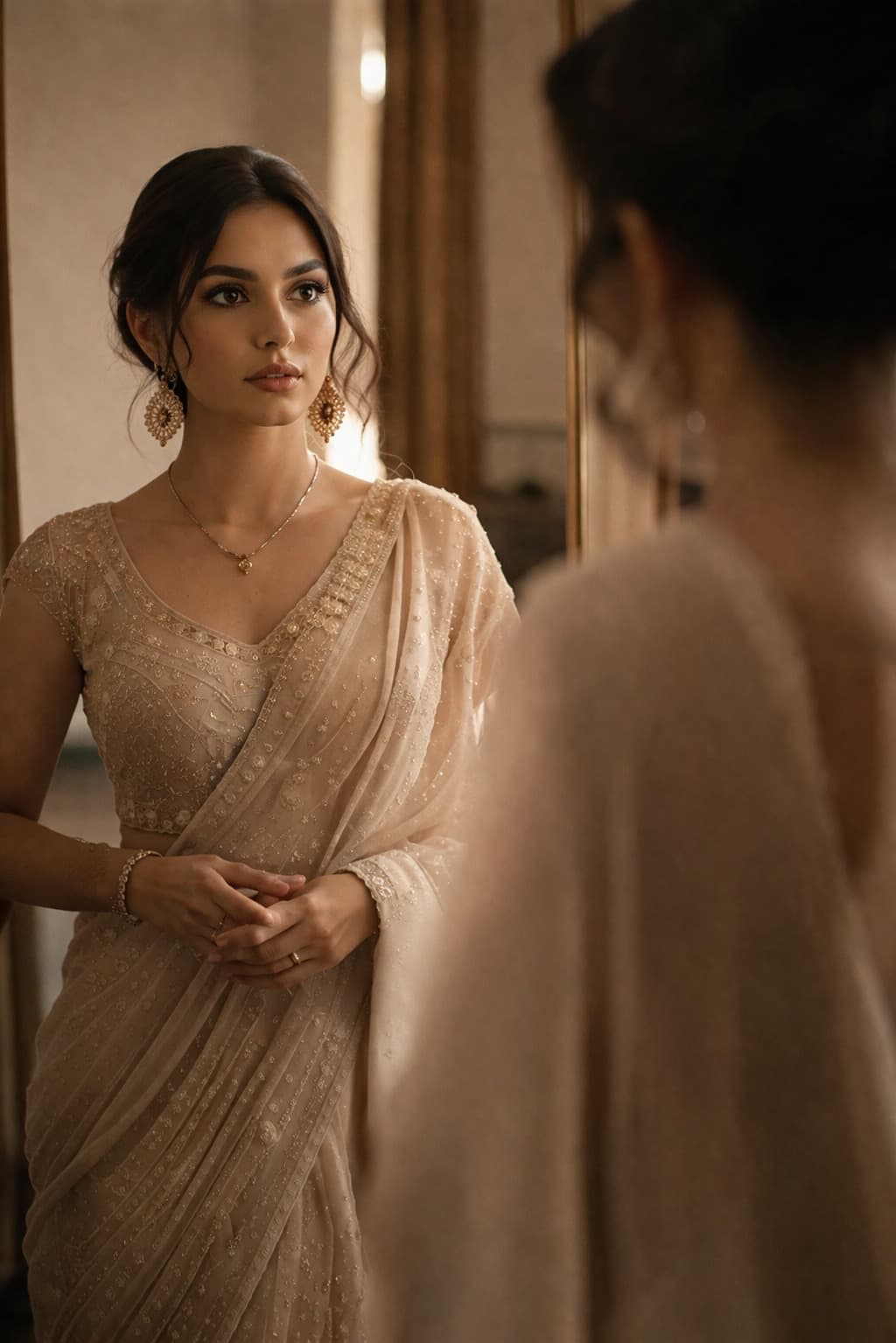
What We Heard
What We Heard: The Worry Underneath
The first in a series of essays from our research conversations — on what women actually told us, and the one sentence we haven't stopped thinking about.
Read More →Notes on fabric, fit, and occasion. Everything we have learned about shapewear for Indian women.
Shapewear in India has been an afterthought for too long. Products designed for Western bodies, Western garments, and Western occasions — applied to sarees, lehengas, and salwars without adaptation. The discomfort was never the woman's fault. It was always the product.
The Elaine Journal exists to change what women know about shapewear before they buy it. Every article is written from a single starting point: the occasion you are already dressing for, and the garment you are already wearing.
We cover fabric — because a Kanchipuram silk saree behaves differently than a Georgette, and the shapewear beneath it should understand that. We cover fit — because sizing varies wildly across brands and the only reliable method is measurement, not the label. We cover occasions — because an 8-hour wedding in Tamil Nadu makes completely different demands than a 2-hour office function in Delhi.
This is not a catalogue. It is a reference — for the woman who wants to stop guessing and start knowing.
How different fabrics perform under different garments and in different climates. Silk blend, seamless, cotton — what each does and when to choose it.
Why shapewear sizing differs from clothing sizing and how to measure correctly for a fit that holds without hurting.
From bridal sarees to everyday cotton — shapewear matched to the real occasions Indian women dress for.
The first in a series of essays from our research conversations — on what women actually told us, and the one sentence we haven't stopped thinking about.
Read More →
A fitted or body-hugging saree needs a completely different base than a draped one. Here's what actually works — and why your body isn't the problem.
Read More →
Garba, sangeet, a wedding dance floor — most shapewear fails the moment you actually move. Here's what stays in place while dancing, and why.
Read More →
Bridal shapewear in India means 8–12 hours, heavy silk, and a lehenga or saree that must stay perfect. Here's what actually works — and what doesn't.
Read More →
Shapewear under a lehenga has one job: stay invisible, stay put, and hold through hours of wear. Here's what actually works and what to avoid.
Read More →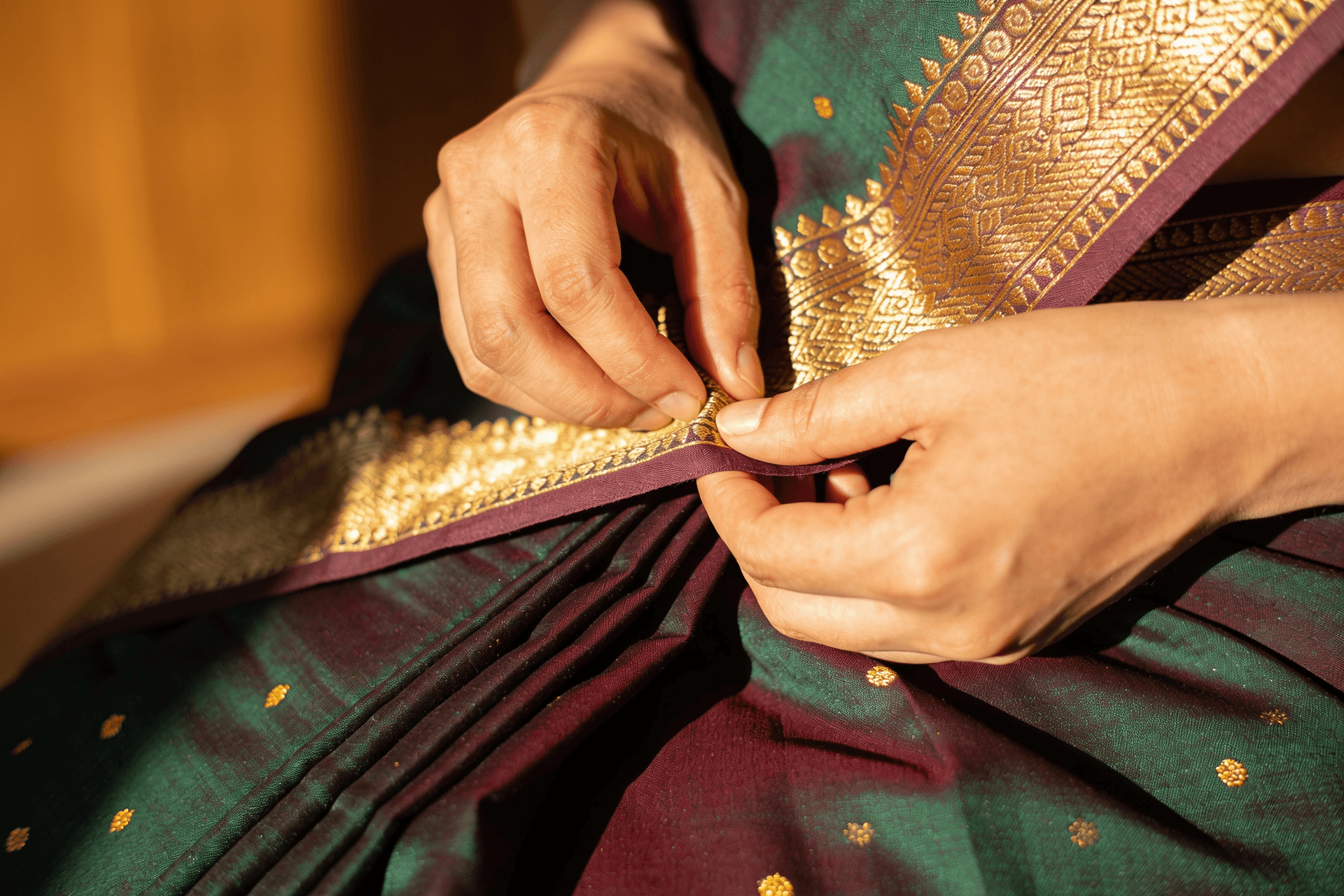
A Kanchipuram silk saree weighs up to 2kg and is worn for hours. Here's exactly what to wear underneath — and why most shapewear fails this specific saree.
Read More →
Shapewear that rolls down isn't a body problem. It's a fit problem. Here's exactly why it happens and what actually stops it.
Read More →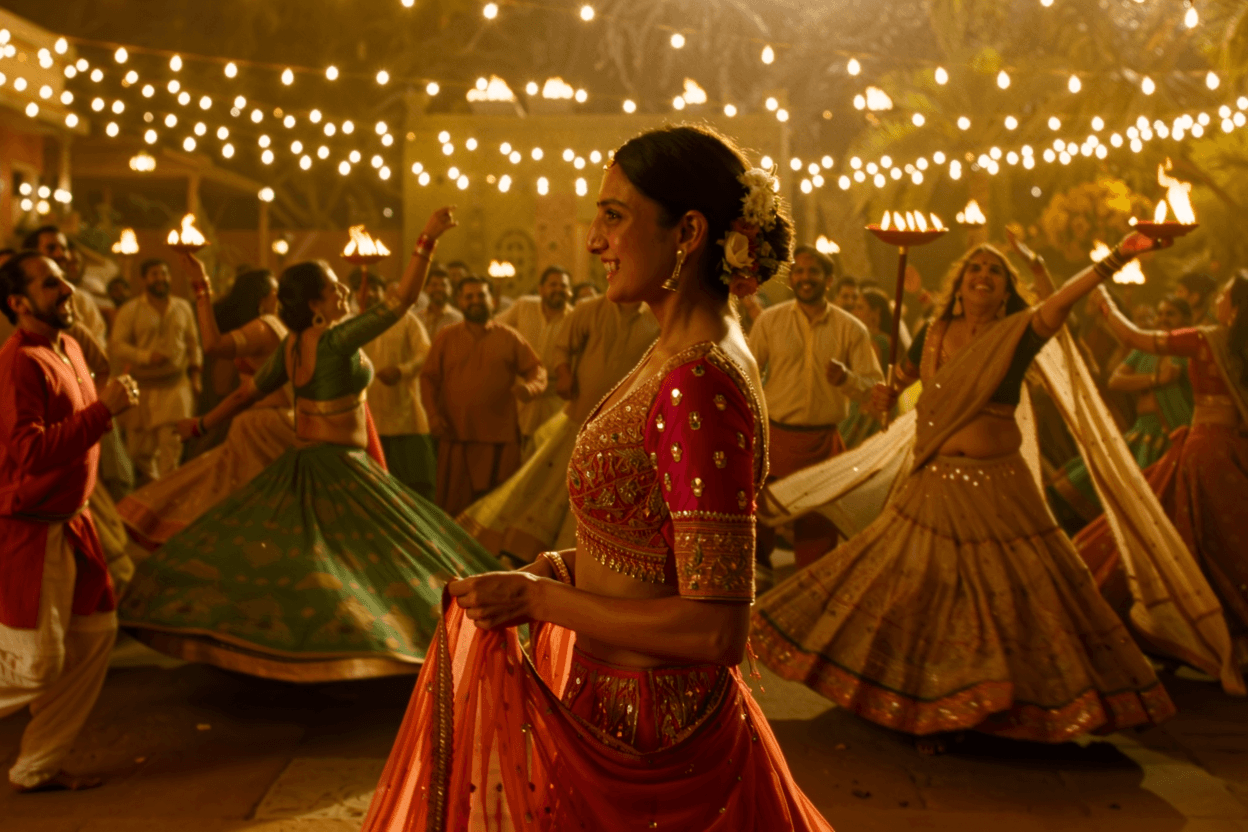
Navratri means nine nights of chaniya choli, garba, and long hours on your feet. Here's what shapewear actually works — and what fails by night two.
Read More →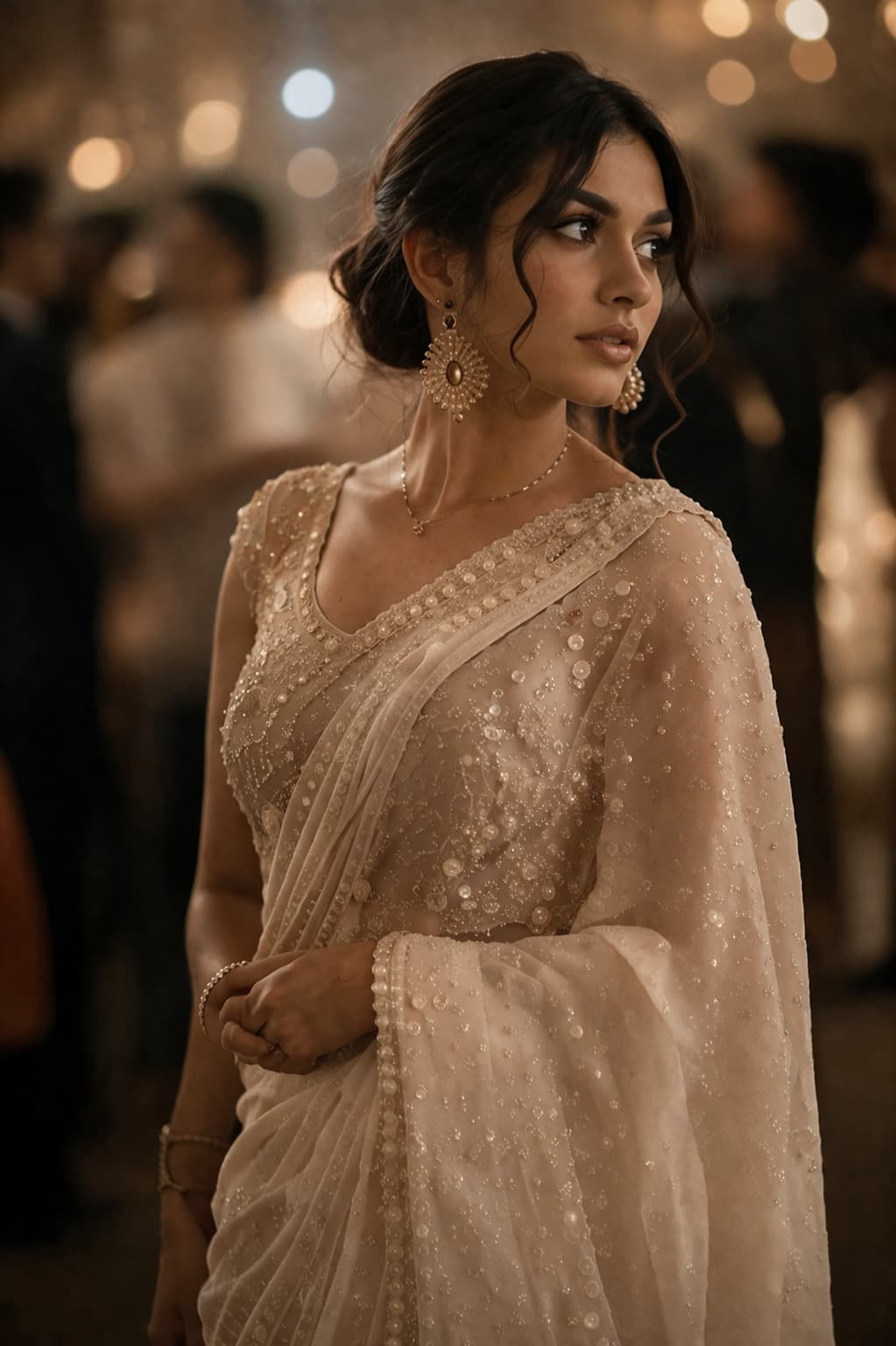
The answer depends on one thing most shapewear brands never ask: which saree? Here's how to match the right style, fabric, and fit to the specific saree you're wearing.
Read More →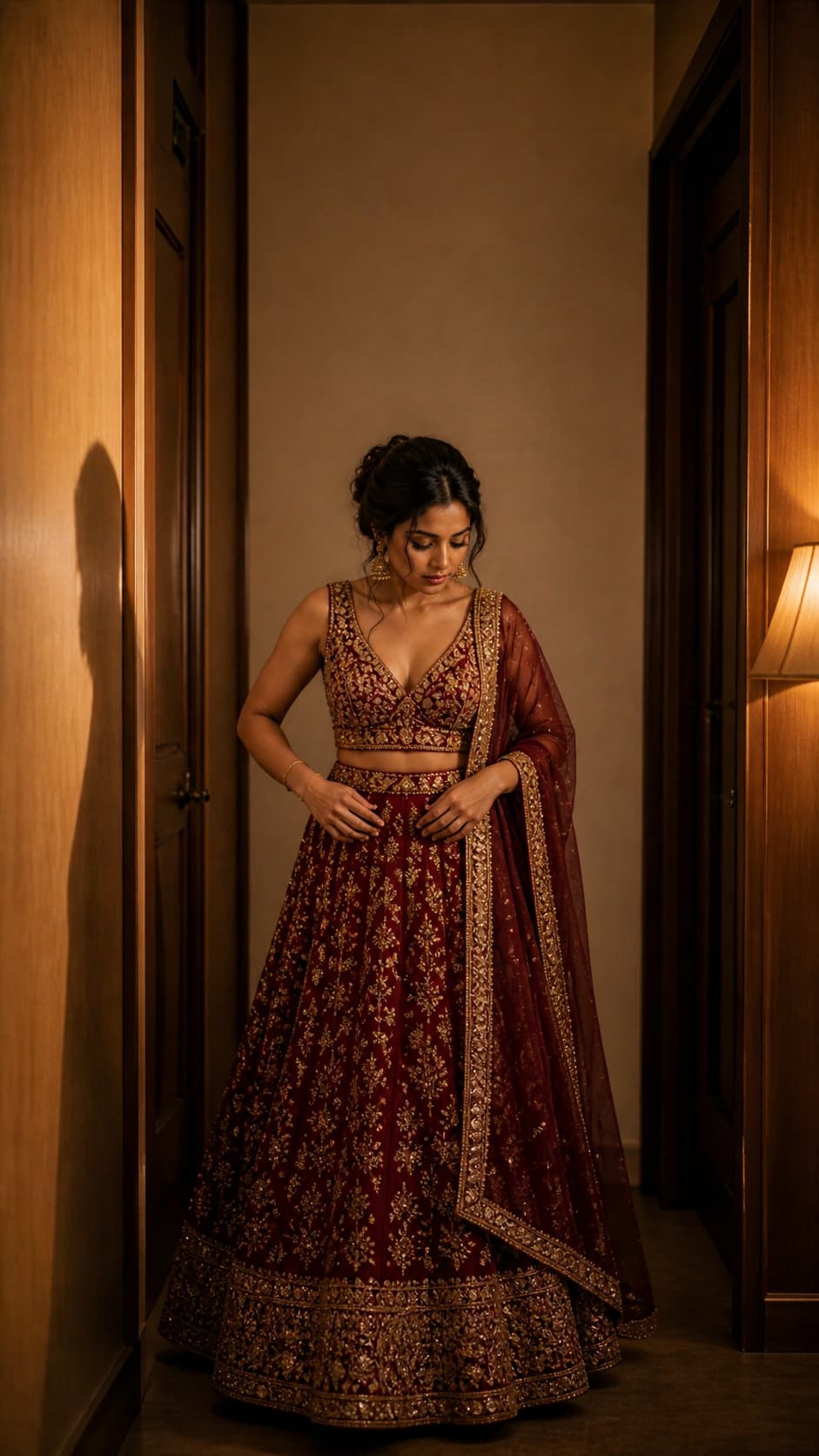
Yes — but only if it's the right kind. Here's what actually works under a saree and why most shapewear designed for Western garments fails completely.
Read More →
An Indian wedding is 8–12 hours. Here's what shapewear actually works for wedding guests — by fabric, occasion, and duration — and why the wrong choice makes the day far harder than it needs to be.
Read More →
Shapewear sizing isn't the same as clothing sizing. Here's exactly how to measure and choose the right size — and why your usual size won't work.
Read More →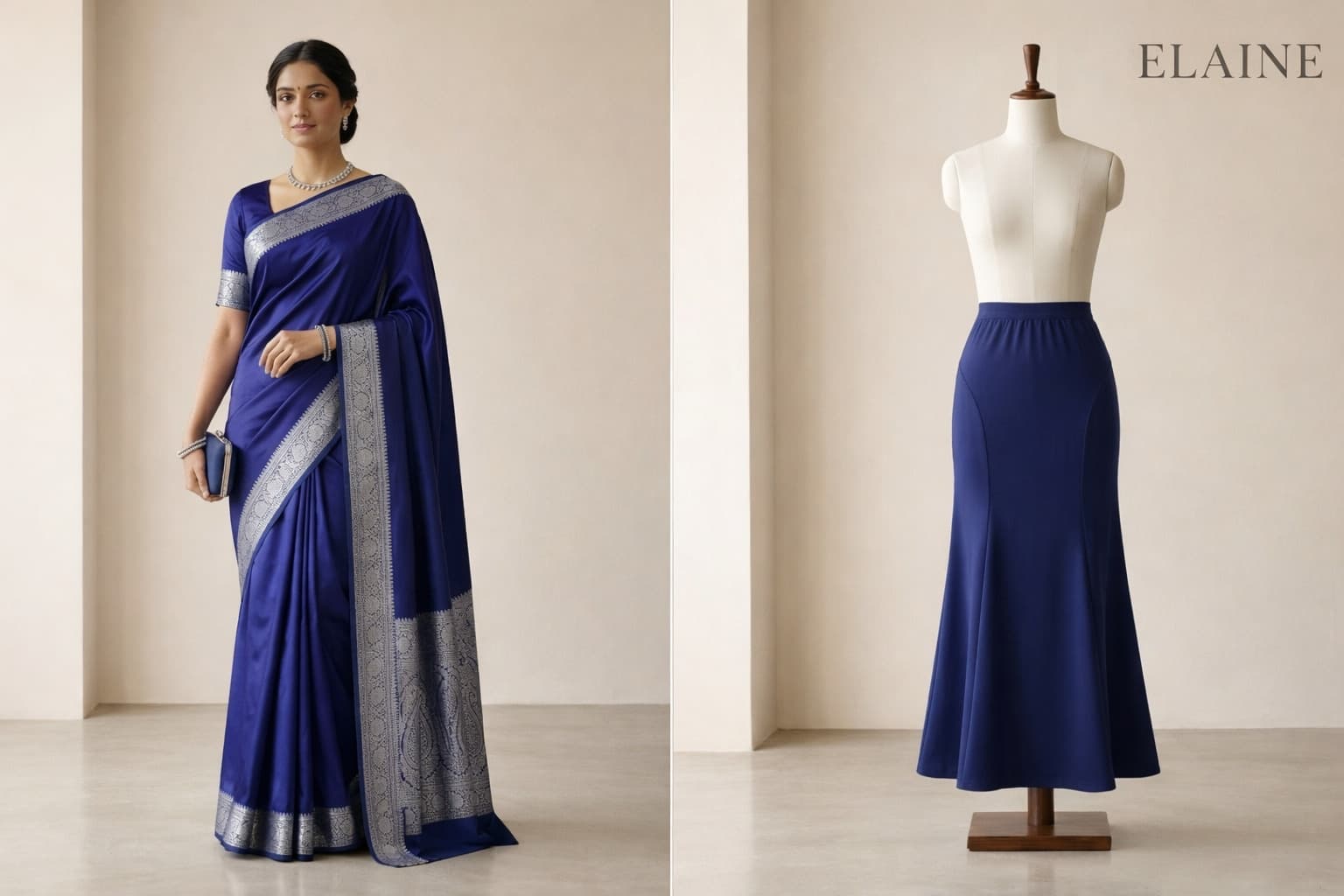
Not all shapewear is uncomfortable. Not all bodies need the same support. Here's what's true — and what isn't.
Read More →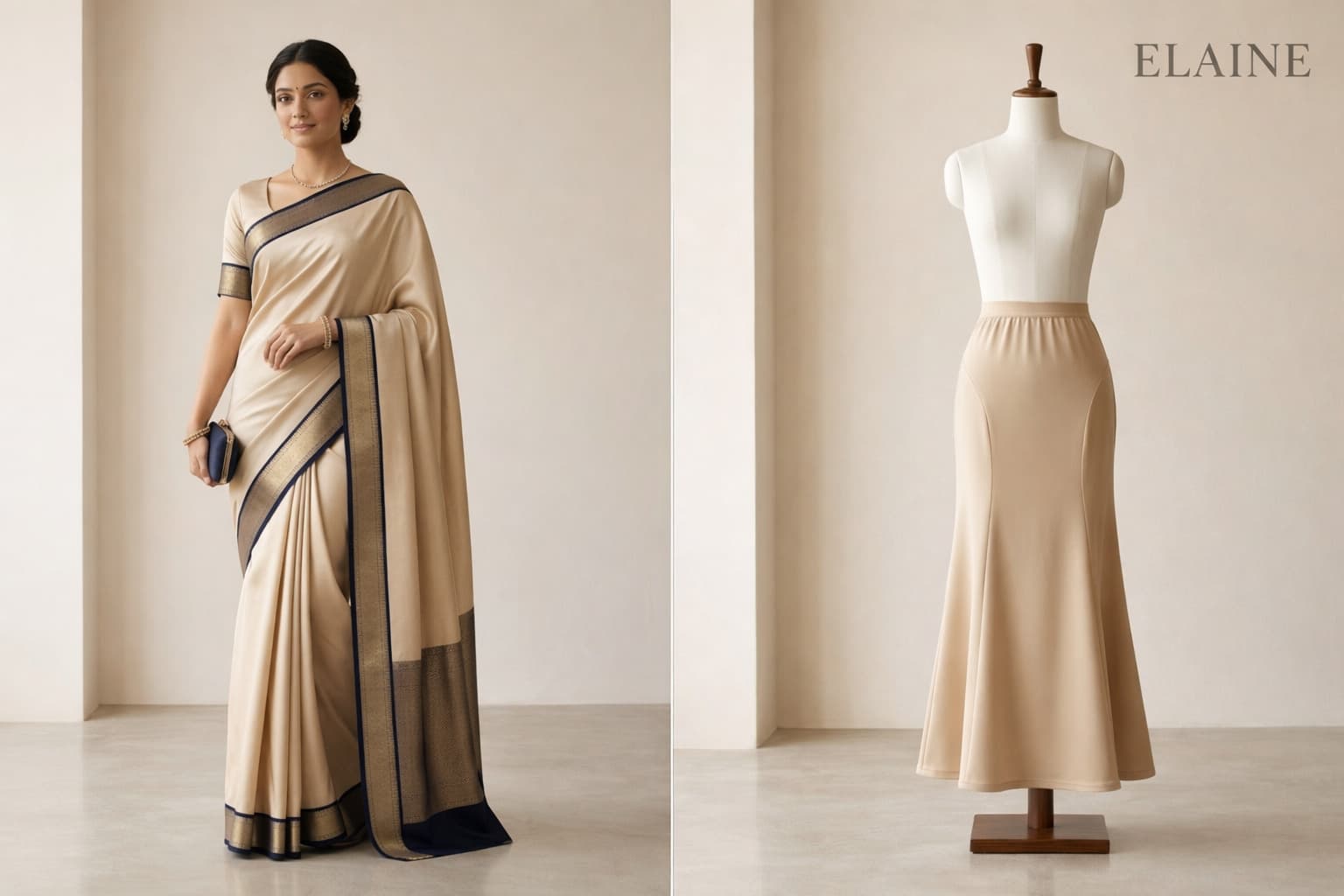
Most shapewear discomfort isn't your fault — it's the product. Here are the three most common mistakes and how to avoid them.
Read More →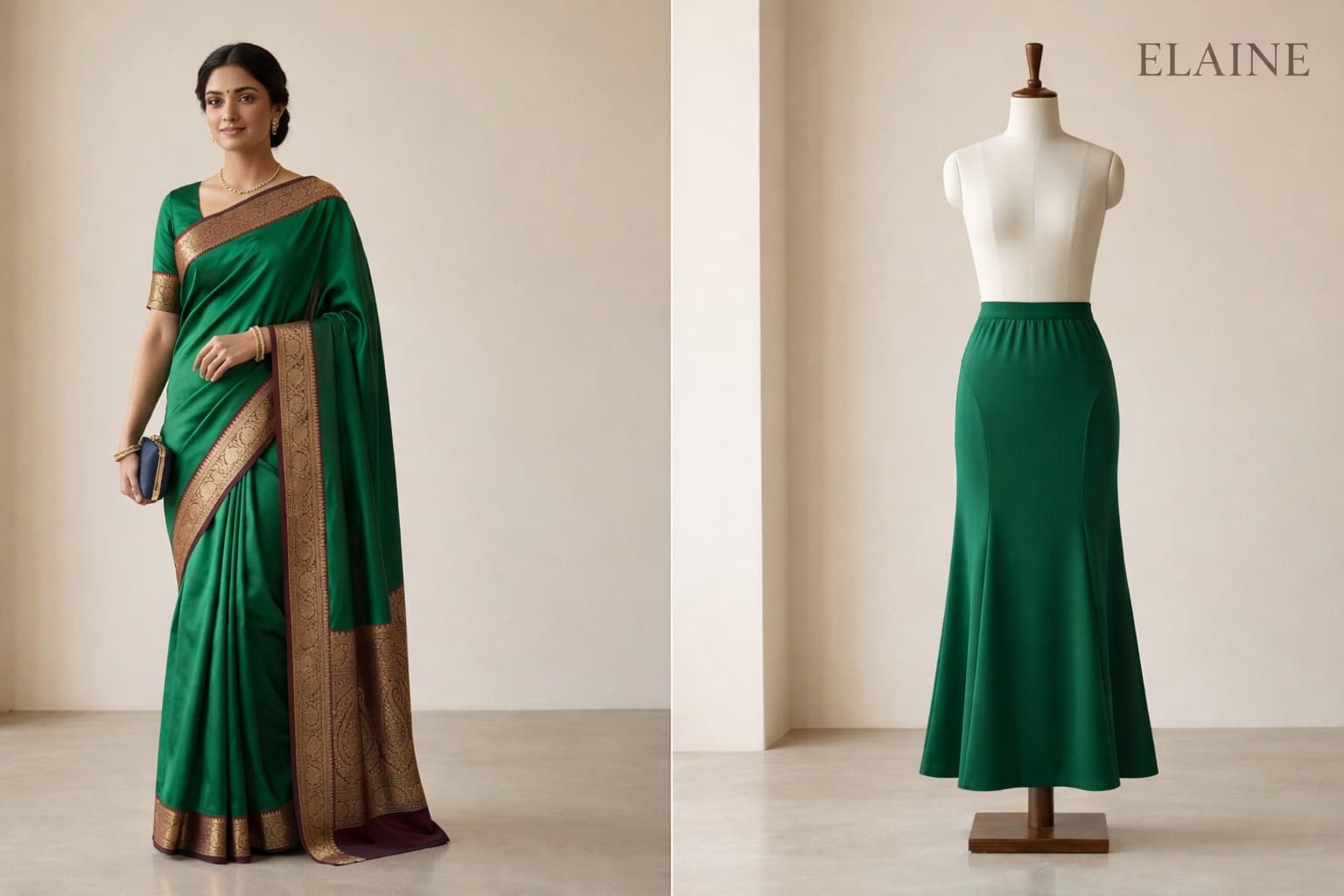
Not all shapewear fabrics are the same. Here's how silk blend, seamless, and cotton perform under different garments and occasions.
Read More →