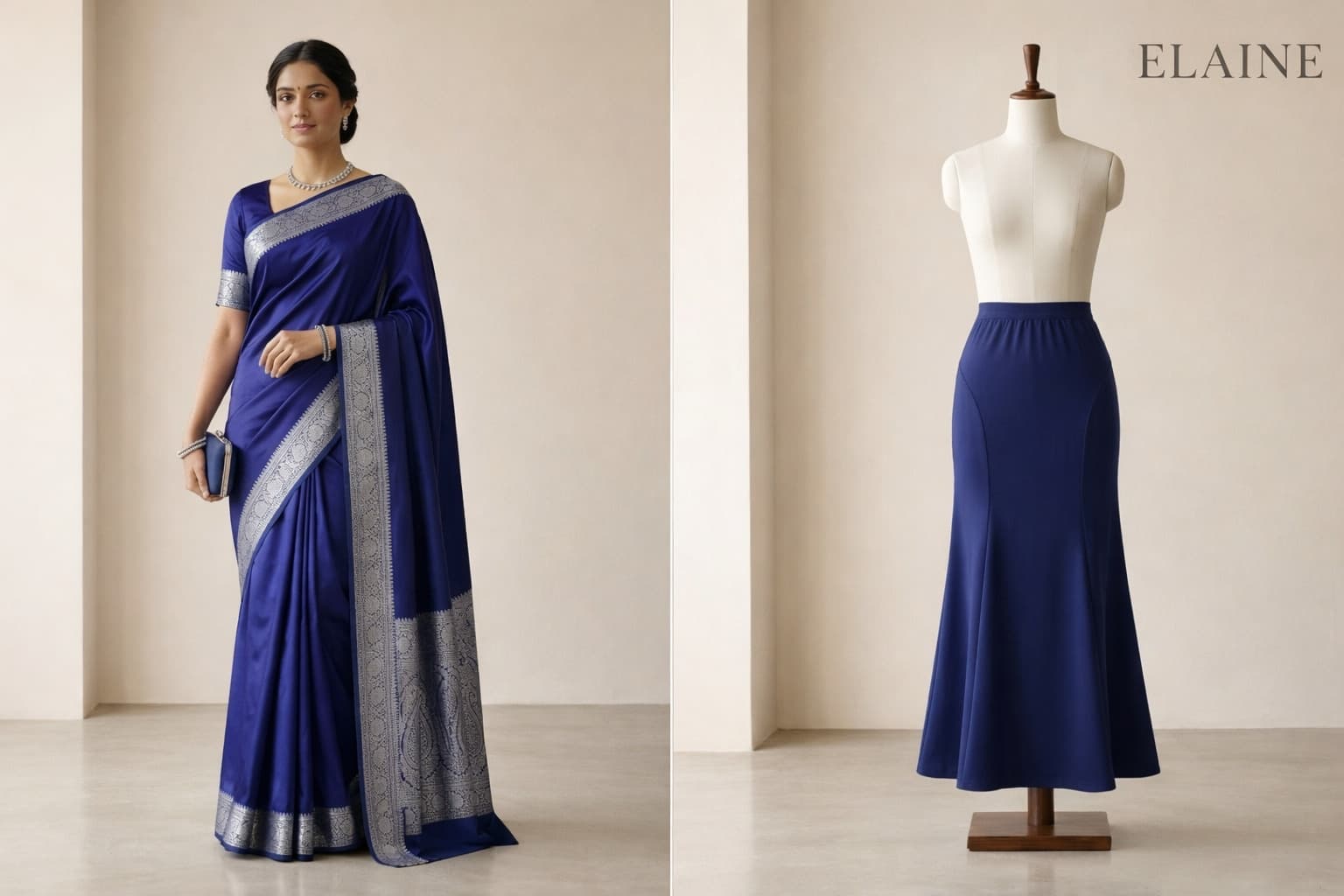
Shapewear sizing is not the same as clothing sizing.
A size M in one shapewear brand is a size L in another. Some brands size by weight, some by clothing size, some by measurements — and almost none of them agree. If you've ever ordered shapewear that was clearly wrong despite choosing your usual size, this is why.
The only reliable way to choose the right size is to measure yourself and compare those measurements directly to the brand's size chart.
Why Shapewear Sizing is Different
Clothing sizing is about how a garment looks on you. Shapewear sizing is about compression — how much the fabric needs to stretch to provide the right level of hold.
Too small: the compression is too high. The waistband digs in, the fabric cuts into your skin, and you're uncomfortable within the first hour.
Too large: the compression is too low. The fabric doesn't hold, shifts during wear, and rolls down.
Wrong sizing — in either direction — is the most common reason shapewear rolls down during wear. We've covered the full mechanics of that in why shapewear rolls down.
The right size gives you firm, even compression that feels supportive — not restrictive, not loose.
How to Measure Yourself
You need three measurements. Take all three with a flexible measuring tape, wearing only light clothing or underwear.
Measurement 1: Natural Waist
Find your natural waist — the narrowest part of your torso, usually about 2–3 cm above your belly button. Keep the tape measure parallel to the floor. Don't suck in. Record this measurement in centimetres.
Measurement 2: High Hip (10 cm below waist)
Place the tape measure 10 cm directly below your natural waist. Keep parallel to the floor. This is the measurement that determines whether high-waist shapewear will sit correctly.
Measurement 3: Full Hip (Widest Point)
Find the widest part of your hips — usually 18–22 cm below your natural waist. Keep the tape parallel to the floor. This is the most important measurement for determining which size will be comfortable.
Write all three numbers down. You'll compare them to the size chart.
How to Read a Size Chart
A quality shapewear size chart will list measurements in centimetres for each size. Match your hip measurement first — hip is the determining measurement for most shapewear styles. If your hip falls between two sizes, go up.
| Size | Waist (cm) | Hip (cm) |
|---|---|---|
| S | 66–71 | 89–94 |
| M | 72–77 | 95–100 |
| L | 78–83 | 101–106 |
| XL | 84–90 | 107–112 |
Check your waist measurement second. Your waist should fall within the range for the size your hip determined. If your hip is a size L but your waist is a size M, look for styles with a more flexible waistband that accommodates this difference.
If you're between sizes, go up. Shapewear that's slightly less compressive is significantly more comfortable than shapewear that's too tight. The difference in compression between adjacent sizes is small. The difference in comfort is large.
Sizing for Saree Shapewear Specifically
Saree shapewear has specific fit requirements beyond standard sizing.
The waistband must sit at or above the natural waist. When trying saree shapewear, check that the top of the waistband sits at your natural waist — the same height where your petticoat sits. If the waistband sits lower, the saree pleats will bunch over it.
The length must cover the hip fully. For a saree, the shapewear needs to cover from the waist to at least mid-thigh to prevent bunching when you walk. Check the length in the size chart, not just the circumference measurements.
The compression should feel firm, not tight. When you put on the correct size, the compression should feel like a firm hug — noticeable but not restrictive. If you have to struggle to pull it up, or if it creates red marks within 30 minutes, go up a size.
The Fit Test
Before you commit to a size, do these four checks.
1. The standing test. Put on the shapewear and stand normally. The waistband should sit flat against your skin with no rolling or digging. The fabric should be smooth with no pulling or bunching.
2. The sitting test. Sit down completely. The waistband should not cut in or create significant discomfort. If it feels tight when seated, go up a size.
3. The bending test. Bend forward at the waist. The shapewear should move with you without the waistband rolling down. This matters particularly for saree wear — you'll be bending to touch elders' feet, pick up items, and adjust your footwear throughout the day.
4. The 30-minute test. Wear the shapewear for 30 minutes doing normal activities. A correctly sized piece should feel comfortable after 30 minutes. If it feels more uncomfortable after 30 minutes, it's too small.
What Doesn't Work as a Sizing Method
Your clothing size. Shapewear sizes do not correspond to clothing sizes across brands. Always measure.
The chart on the packaging only. Packaging charts are often in generic sizes without actual measurements. If the chart doesn't give you centimetre ranges, find detailed measurements online.
What worked in a different brand. Different brands use different compression levels and cut differently. A size in one brand is not the same size in another. Measure every time.
Your weight. Weight is not a reliable sizing indicator for shapewear. Body shape — specifically the distribution of measurements across waist and hip — determines fit. Two women with the same weight can require different sizes.
A Note on Indian Sizing
Most Indian shapewear brands use a combination of South Asian and Western sizing conventions, which creates inconsistency. The only reliable approach is centimetre measurements — not S/M/L labels, not weight ranges.
If a brand gives you a size chart in kilograms only, that's a warning sign. Weight does not determine shapewear fit. Look for a brand that provides a measurement-based size chart.
Frequently Asked Questions
How do I select the right shapewear size?
Measure your natural waist (narrowest point, usually 2-3 fingers above the navel) and hips (widest point) directly against a measuring tape — not against clothing sizes, which vary by brand. Choose shapewear sized to your actual measurements, not a size smaller for extra compression. Sizing down is the single most common cause of discomfort and rolling.
Read next: Which Shapewear is Best for a Saree? · 3 Shapewear Mistakes Women Make · Collection — Launching Soon