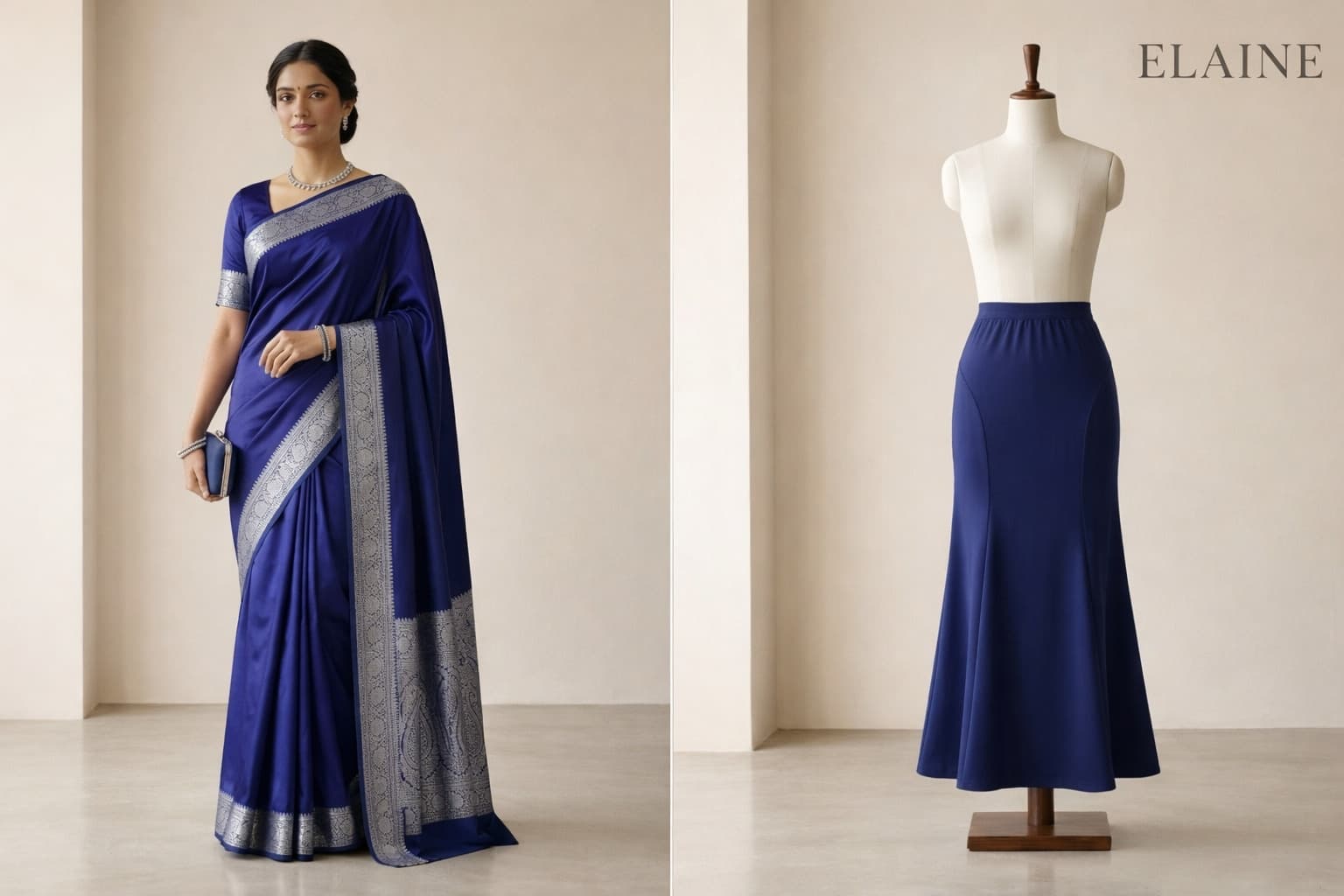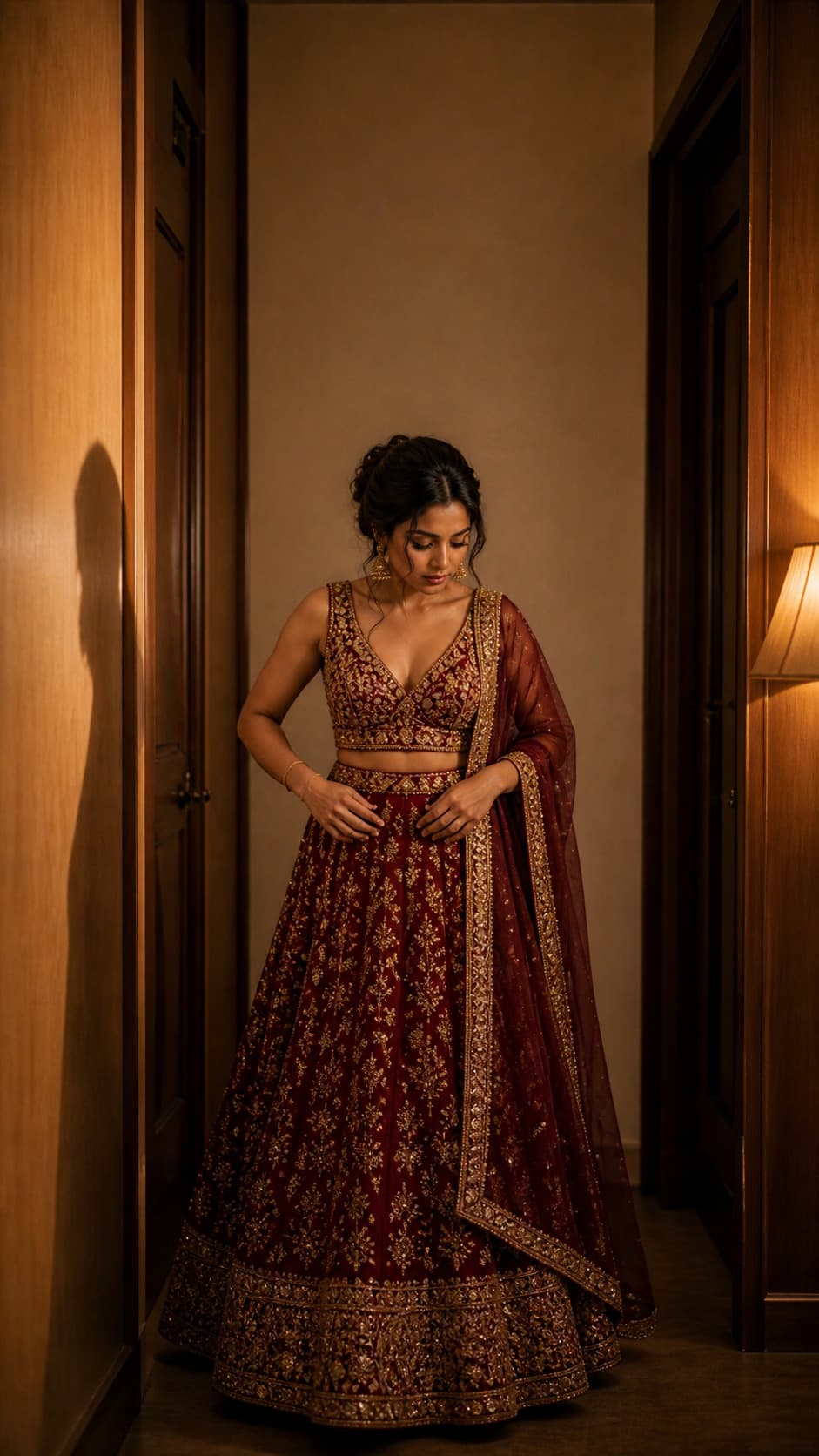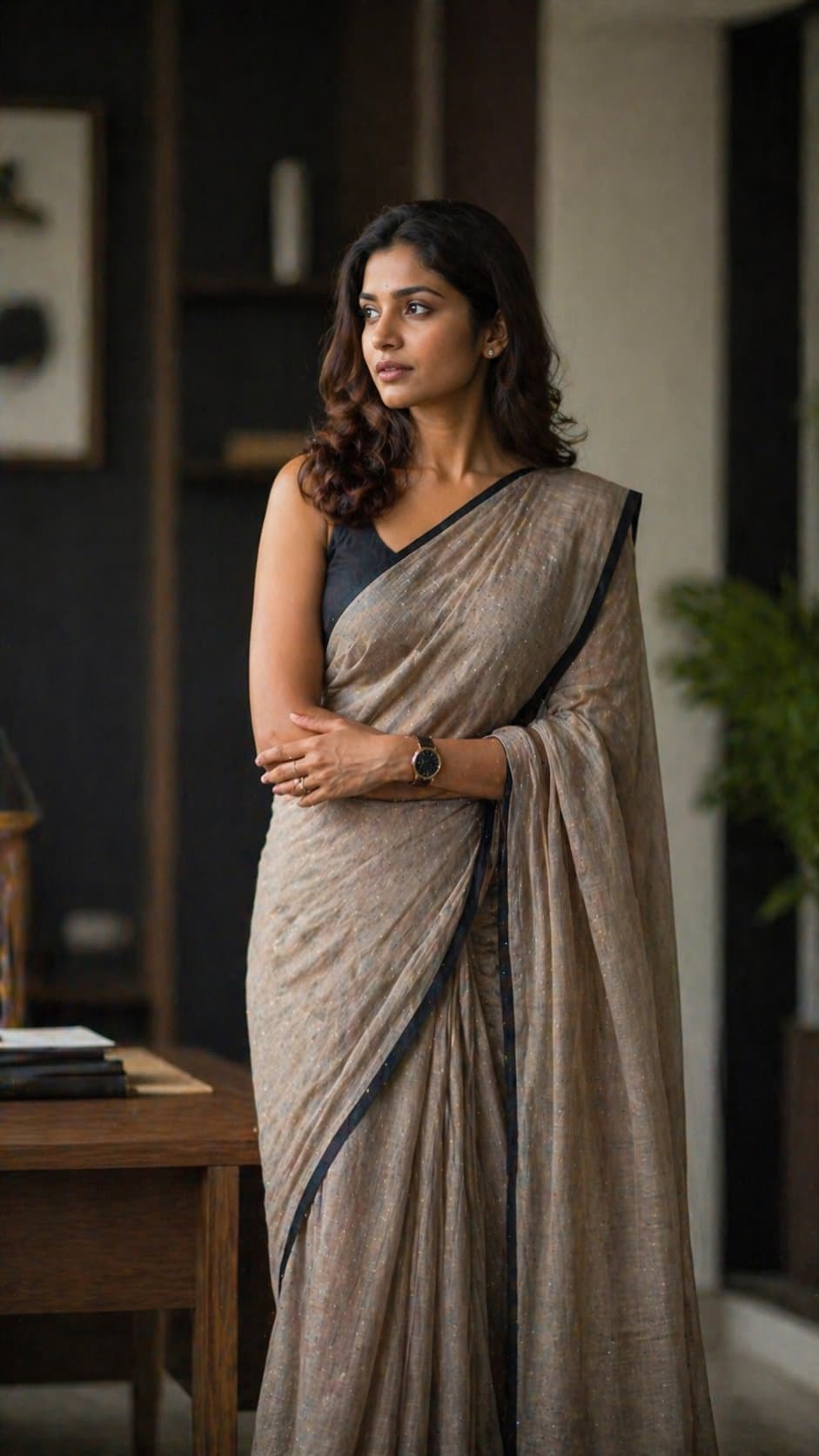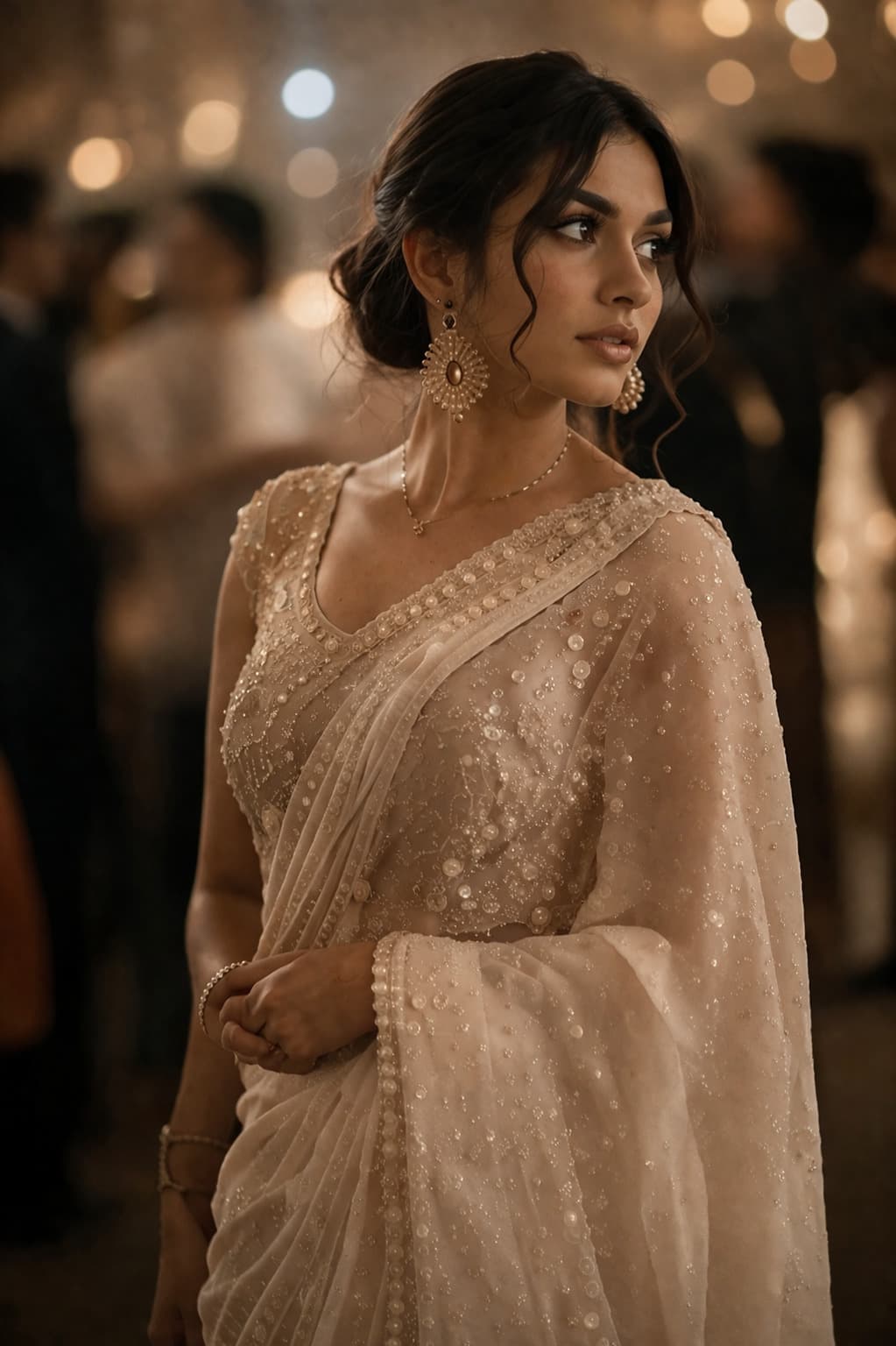
The answer depends on one thing most shapewear brands never ask: which saree?
A Kanchipuram silk saree that weighs two kilos needs a completely different base layer than a lightweight Georgette saree that drapes in minutes. A saree you're wearing for an 8-hour wedding needs different shapewear than one you're wearing for a 2-hour puja.
There is no single best shapewear for a saree. There is only the right shapewear for your saree, your occasion, and your body.
The Three Questions That Determine the Answer
Before you look at any product, answer these three questions.
1. What fabric is your saree?
Fabric determines compression level. Heavy silk sarees need firm, structured support to anchor the pleats and hold the drape. Lightweight fabrics need invisible, seamless coverage that doesn't create lines or add bulk.
2. How long will you be wearing it?
Duration determines breathability requirements. A 2-hour event allows for firmer compression. An 8-hour wedding in a non-air-conditioned venue requires a fabric that breathes and stays comfortable through hours of sitting, standing, dancing, and everything in between.
3. What is the priority — structure or invisibility?
Some sarees need a base layer that holds firm. Others need one that disappears. Knowing which matters more narrows the choice immediately.
Shapewear by Saree Type
For Kanchipuram and Banarasi Silk Sarees
These are the heaviest sarees — ceremonial, formal, designed to make a statement. The fabric is stiff, the zari-work adds weight, and the drape needs to be precise.
What you need: High-compression, high-waist shapewear with firm hold. The base layer must anchor the pleats from the waist down and stay in place through hours of wear.
What to avoid: Seamless fabric — it won't provide enough structure for the weight of the saree. Low-rise styles — the waistband of the saree will sit above the shapewear, creating visible bunching.
For Georgette and Chiffon Sarees
Lightweight, flowing, and unforgiving of anything underneath. Georgette falls beautifully but shows every line, seam, and edge through the fabric.
What you need: Seamless, invisible coverage. No stitched edges. Fabric that sits flat against the skin with no raised seams.
What to avoid: Structured silk-blend shapewear — the seams will show through the lightweight fabric. High-compression styles — they create visible compression lines under sheer fabrics.
For Tissue and Organza Sarees
The most transparent fabrics in the saree wardrobe. Worn at formal events and evenings, tissue sarees require shapewear that is effectively invisible.
What you need: Seamless, skin-tone fabric with zero visible texture. The shapewear should disappear entirely.
What to avoid: Any fabric with texture or pattern. Even subtle weaves can show through tissue.
For Cotton and Linen Sarees
Everyday sarees worn for longer hours, often in heat. The priority shifts from structure to comfort and breathability.
What you need: Cotton-blend shapewear that breathes, stays comfortable through extended wear, and provides light compression without restricting movement.
What to avoid: Heavy compression styles — they create heat and discomfort in already warm weather. Synthetic seamless fabrics — they don't breathe well and cause overheating in the Indian climate.
For Kasavu and Kerala Cotton Sarees
Traditional, lightweight, often worn all day at family events and celebrations. The saree is the statement — the shapewear is purely functional.
What you need: Light compression, breathable cotton blend, stays comfortable through all-day wear.
What to avoid: Heavy structure — it contradicts the ease of the saree and creates unnecessary discomfort.
And if your saree is styled fitted or body-hugging rather than traditionally draped, the base layer matters even more — our guide on shapewear for body-hugging sarees covers exactly what works.
Shapewear by Occasion
Even within the same saree fabric, the occasion changes the requirement.
Wedding (Full Day)
A wedding is an 8–12 hour event with no opportunity to change or adjust. The shapewear needs to stay in place from morning through night, breathe through multiple venue changes, hold through sitting, standing, bending, and dancing — and not restrict movement or cause pain.
Priority: Hold and durability. Fabric: Silk blend or high-quality seamless with reinforced waistband.
Festival (Half Day)
Navratri, Diwali, Pongal — celebratory occasions that involve movement, sometimes dancing, often in warm environments.
Priority: Breathability and comfort. Fabric: Cotton blend or lightweight seamless.
Family Event (Variable Duration)
Engagements, mehendi, house puja — variable in length, usually semi-formal, moderate activity.
Priority: Comfort and invisibility. Fabric: Mid-compression seamless or cotton blend depending on the saree fabric.
Office Wear
Worn for 8 hours in an air-conditioned office. The saree is typically cotton or linen. The shapewear needs to be invisible and comfortable for extended desk work.
Priority: Invisibility and all-day comfort. Fabric: Seamless or cotton blend.
The One Rule That Applies to Every Saree
If the shapewear is digging in, rolling down, or making you think about it — it's wrong for the occasion.
The right shapewear for a saree is the one you forget you're wearing. It holds quietly, stays in place, and lets the saree do its job.
That's not a luxury. That's the baseline.
Read next: Can You Wear Shapewear Under a Saree? · Fabric Spotlight: Silk Blend, Seamless, and Cotton · Collection — Launching Soon