Shapewear fabric determines how it performs. The compression level, the breathability, how it feels against your skin, how it behaves under different garments — all of that comes down to the fabric blend.
And yet most shapewear doesn't tell you what fabric it's made from, or why that fabric was chosen. You're expected to buy blind and hope it works.
Here's what you should know about the three most common shapewear fabrics — and when each one actually makes sense.
Silk Blend — Built for Structure and Heavy Drape
What it is:
Silk-blend shapewear combines natural silk fibers with synthetic elastane to create a fabric that's both breathable and highly compressive. It's designed for occasions where you need structure that lasts — weddings, formal events, ceremonies — and garments that drape heavily.
How it feels:
Smooth against the skin. Firm compression without feeling restrictive. Breathable enough that you're not overheating, but structured enough that it holds through hours of wear.
When to wear it:
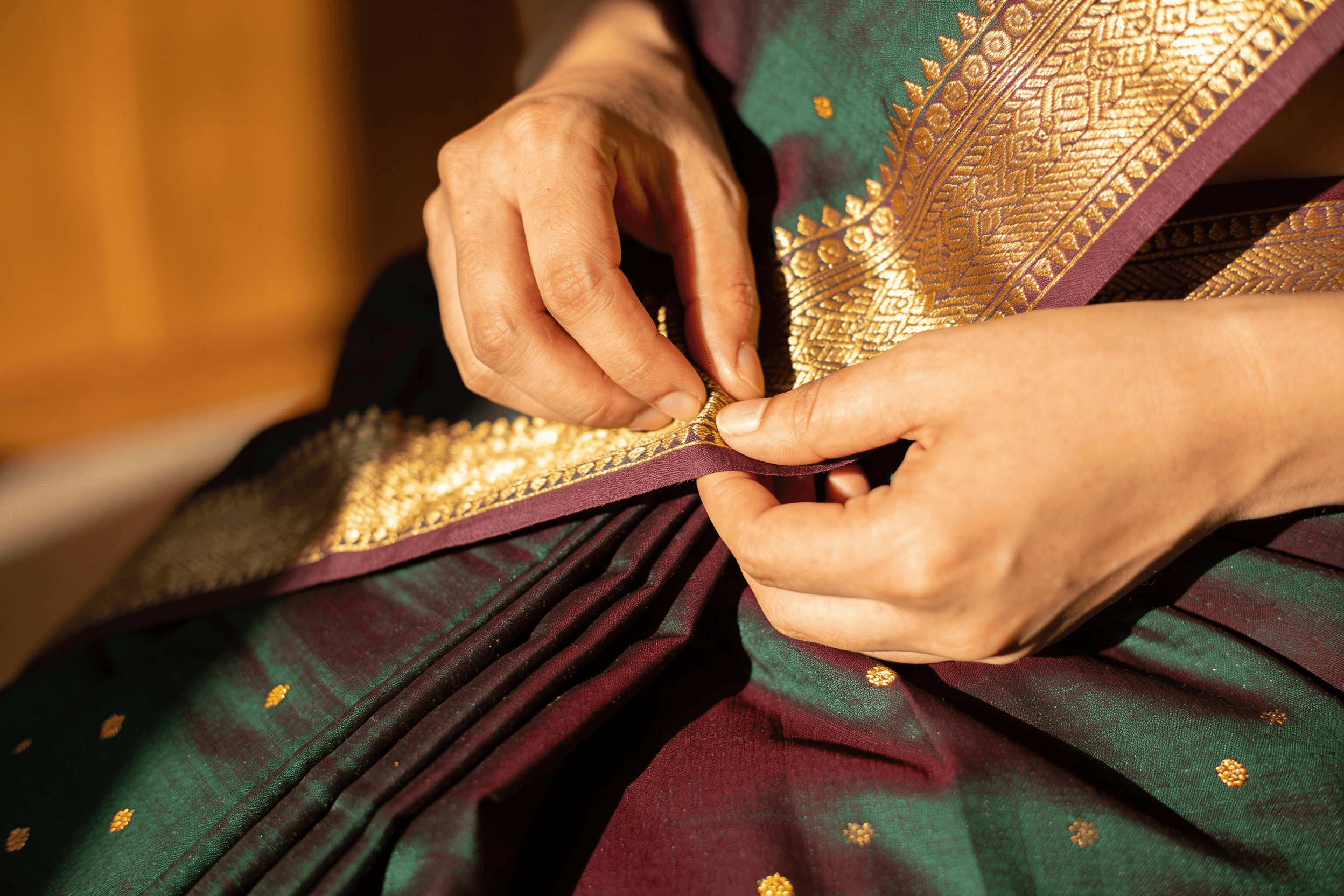
- Under heavy silk sarees (Kanchipuram, Banarasi, ceremonial silk)
- For all-day events where the garment needs to hold its shape
- When the drape of the fabric is the priority — silk blend supports pleats and anchors the fall of the saree
- Formal occasions where you need maximum structure without adding bulk
What it does well:
Silk blend holds. If you're wearing a saree that weighs two kilos, you need shapewear that can anchor the fabric and support the pleats without shifting. Silk blend does that. It's also breathable, which matters when you're wearing it for eight hours in a non-air-conditioned venue.
What it doesn't do:
It's not invisible. Silk blend has more structure than seamless fabrics, which means it's better suited for heavier fabrics that won't show the seam. If you're wearing lightweight chiffon or tissue, silk blend might create a visible line.
Best for: Kanchipuram silk sarees, Banarasi sarees, heavy lehengas, formal bridal wear, ceremonial occasions.
Seamless — Built for Invisibility and Lightweight Fabrics
What it is:
Seamless shapewear is made from a single piece of fabric with no stitched seams. It's typically a blend of nylon and elastane, designed to be as thin and invisible as possible while still providing compression.
How it feels:
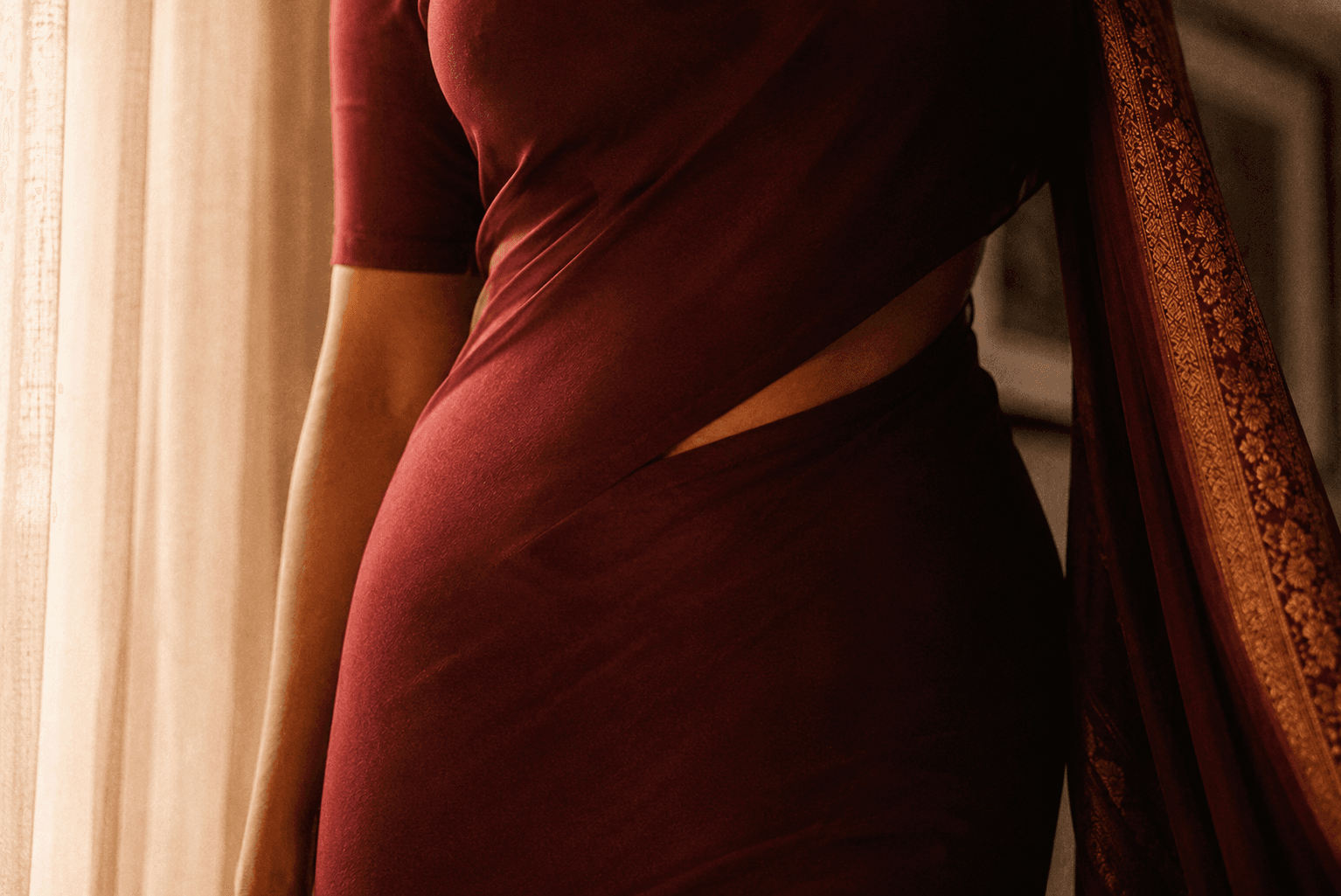
Smooth, lightweight, second-skin. The compression is gentler than silk blend — enough to smooth but not enough to restructure. You barely feel it.
When to wear it:
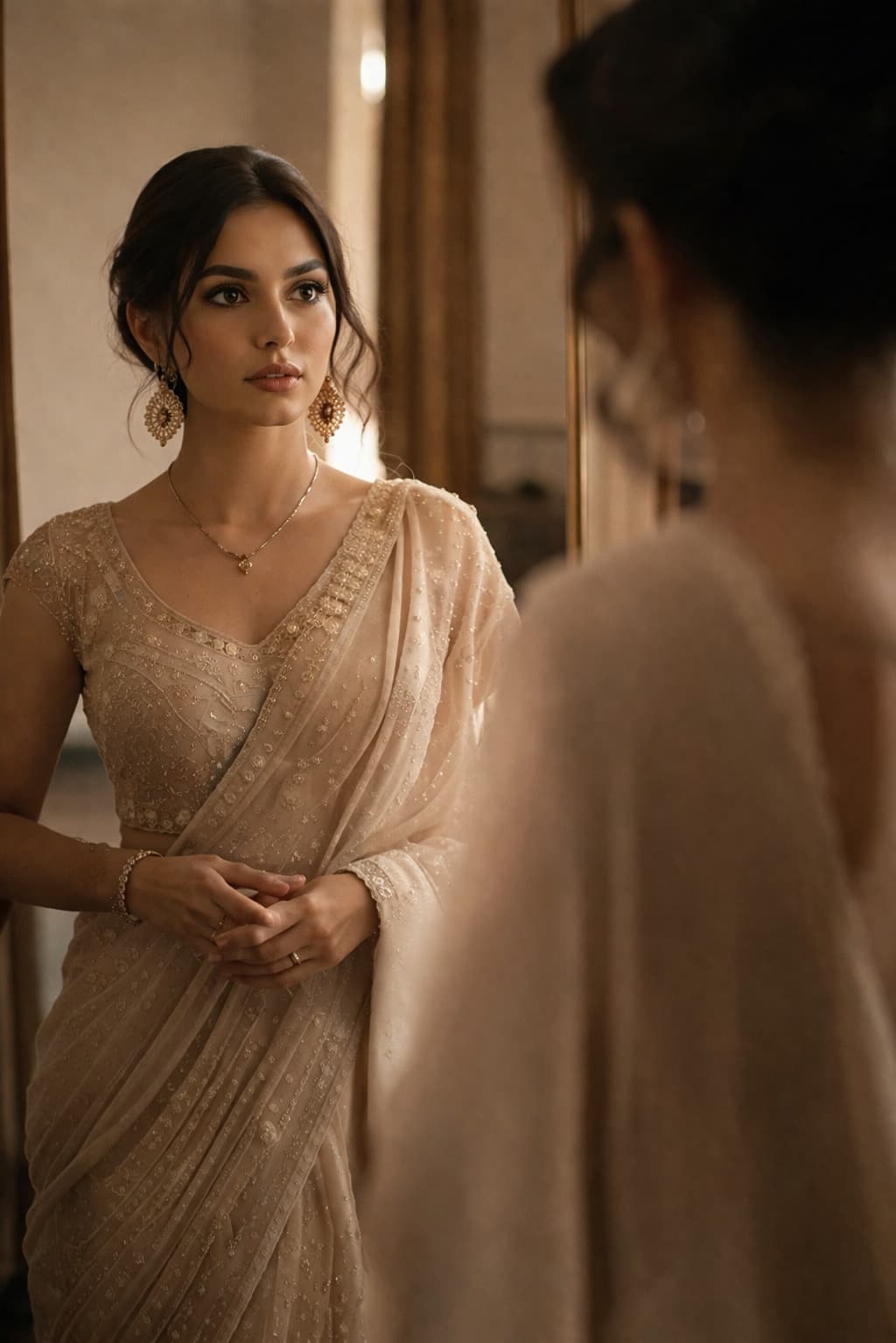
- Under lightweight fabrics (Georgette, chiffon, tissue sarees)
- When the garment is fitted and any visible line would show
- For events where invisibility matters more than structure
- Office wear, western wear, any outfit where the shapewear needs to disappear entirely
What it does well:
Seamless fabric is invisible. If you're wearing a fitted outfit or a lightweight saree where any seam would show through, seamless is the only option. It also breathes well, making it comfortable for long wear in moderate climates.
What it doesn't do:
It doesn't provide the same level of structure as silk blend. If you're wearing a heavy silk saree or a lehenga that needs anchoring, seamless won't give you the support you need. It's designed for smoothing, not restructuring.
Best for: Georgette sarees, chiffon sarees, tissue fabrics, western wear, office wear, any lightweight or fitted garment where the shapewear needs to stay invisible.
Cotton Blend — Built for Breathability and All-Day Comfort
What it is:
Cotton-blend shapewear mixes natural cotton fibers with elastane to create a fabric that's softer, more breathable, and more forgiving than synthetic blends. It's designed for extended wear in heat and for occasions where comfort is the priority.
How it feels:
Soft against the skin. Less compression than silk or seamless, but far more breathable. You can wear it for 12 hours and not think about it.
When to wear it:
- For all-day events in heat (outdoor weddings, daytime festivals)
- When you need light compression but maximum breathability
- Everyday wear — not special occasions, but the regular saree or salwar you wear on a Tuesday
- Any situation where you'll be wearing shapewear for more than eight hours
What it does well:
Cotton blend breathes. If you're attending a wedding in the heat, or wearing shapewear for 12+ hours, cotton blend won't overheat you. It's also softer and less restrictive, which makes it ideal for extended wear.
What it doesn't do:
It doesn't provide high compression. If you need structure for a heavy saree or a formal event, cotton blend won't give you that. It's built for comfort, not maximum hold.
Best for: Everyday sarees, summer festivals, outdoor events, all-day wear in heat, casual occasions where comfort is the priority.
How to Choose
The fabric you need depends on two things: the garment and the occasion.
What am I wearing it under?
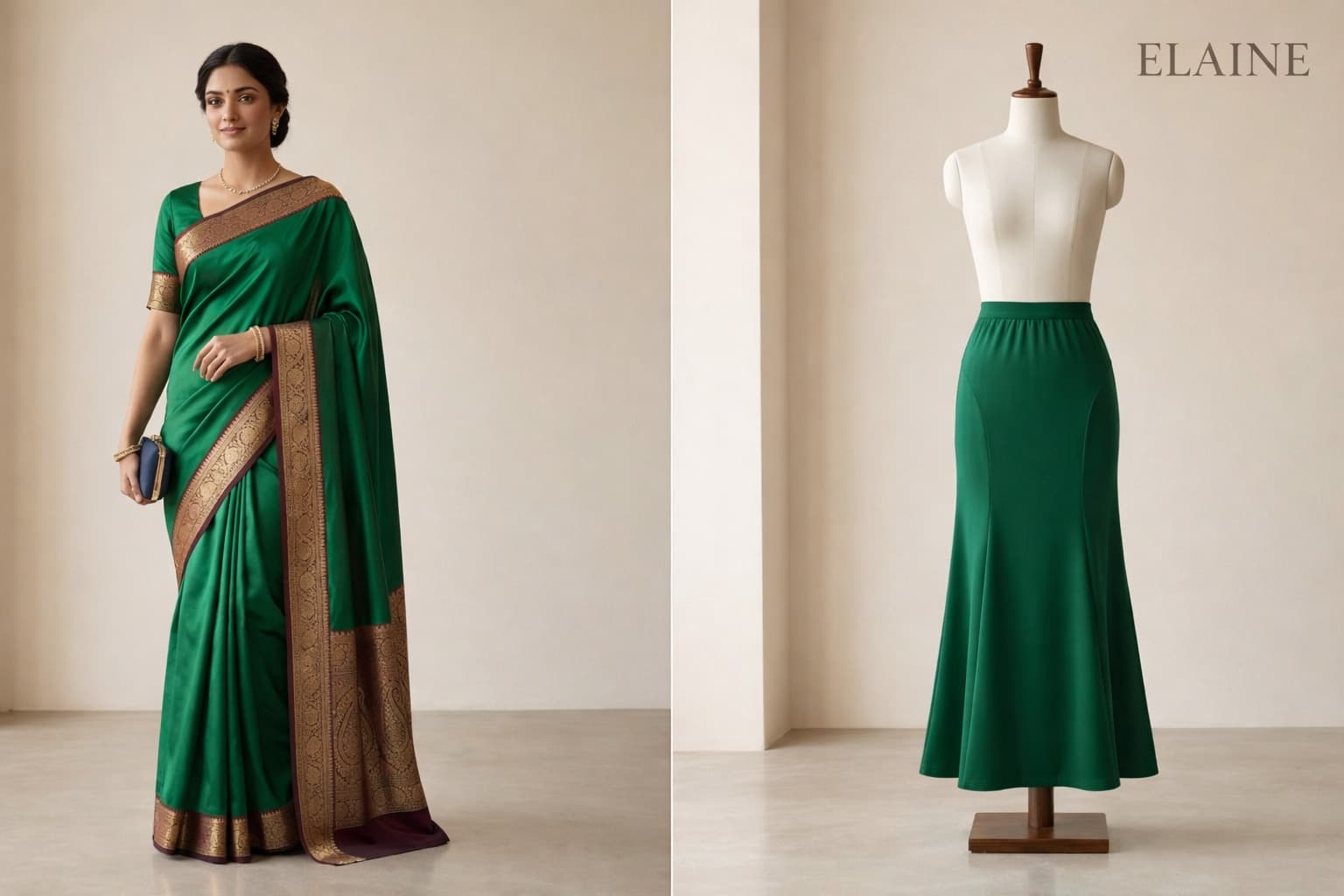
- Heavy silk → silk blend
- Lightweight chiffon → seamless
- Everyday cotton saree → cotton blend
How long will I be wearing it?
- 8+ hours in heat → cotton blend
- 4–6 hours, formal event → silk blend
- Short duration, invisibility needed → seamless
What's the priority — structure or comfort?
- Structure for a formal saree → silk blend
- Comfort for all-day wear → cotton blend
- Invisibility under fitted clothes → seamless
The right fabric isn't about what's "best" in general. It's about what works for the specific garment and occasion you're dressing for.
Explore more: Our Story — why Elaine was built. Or see the three fabric edits in the Collection.