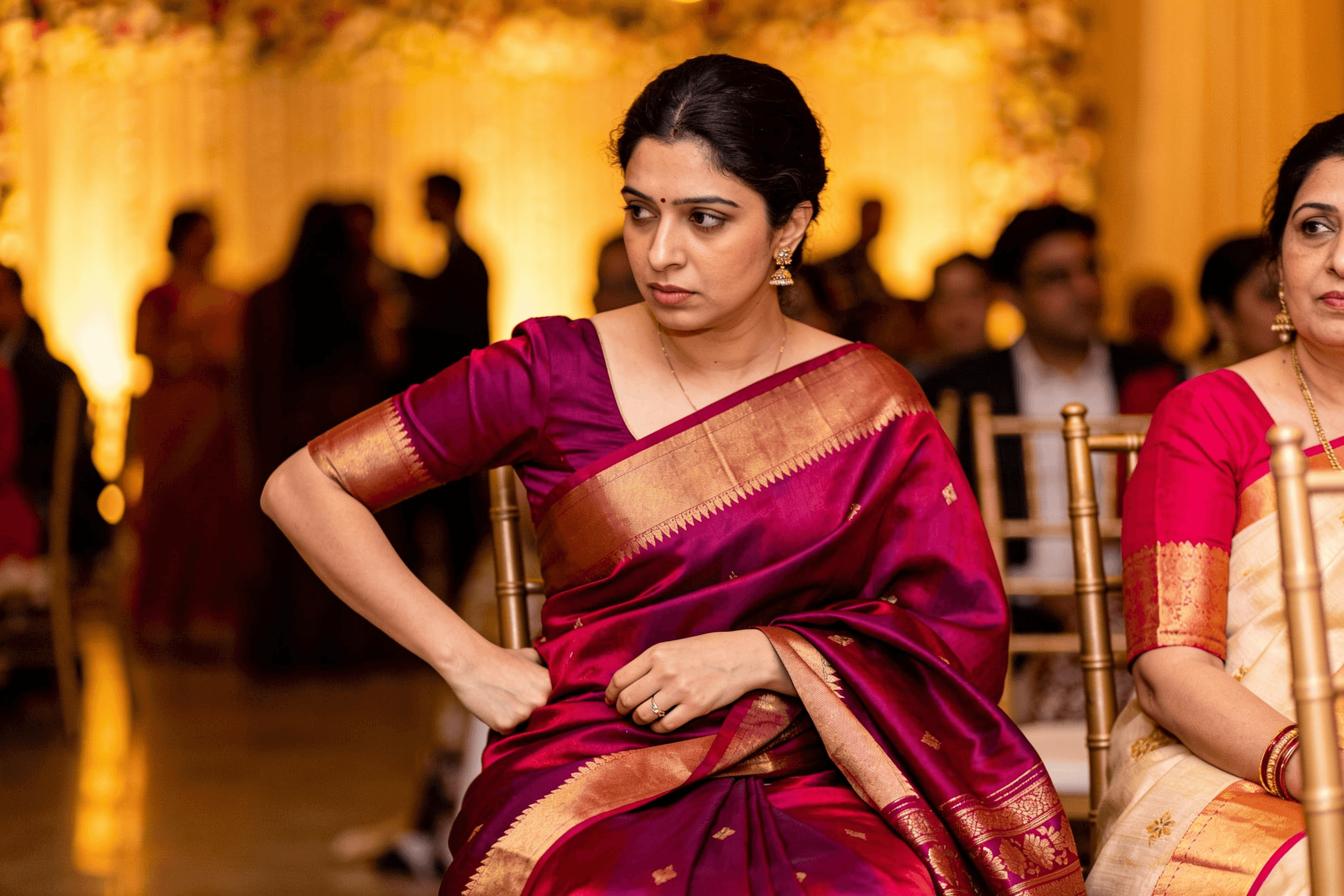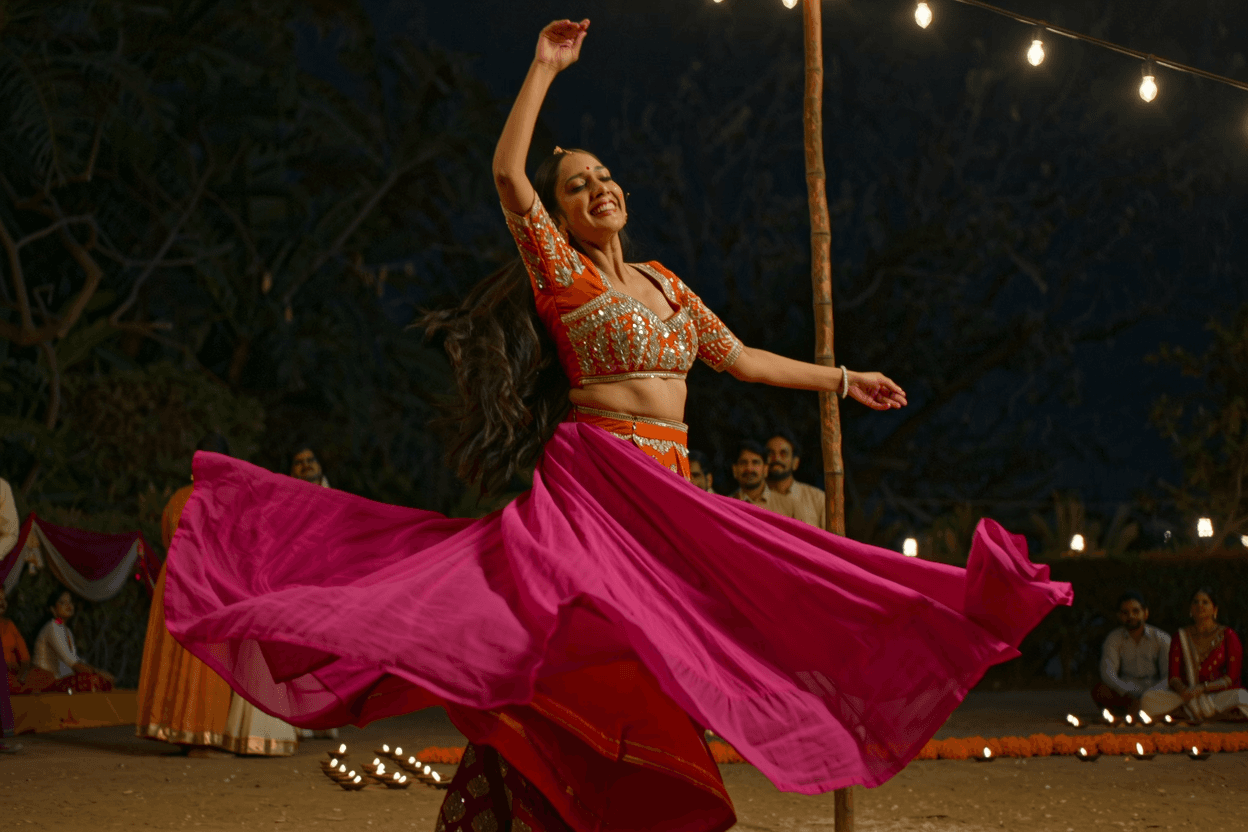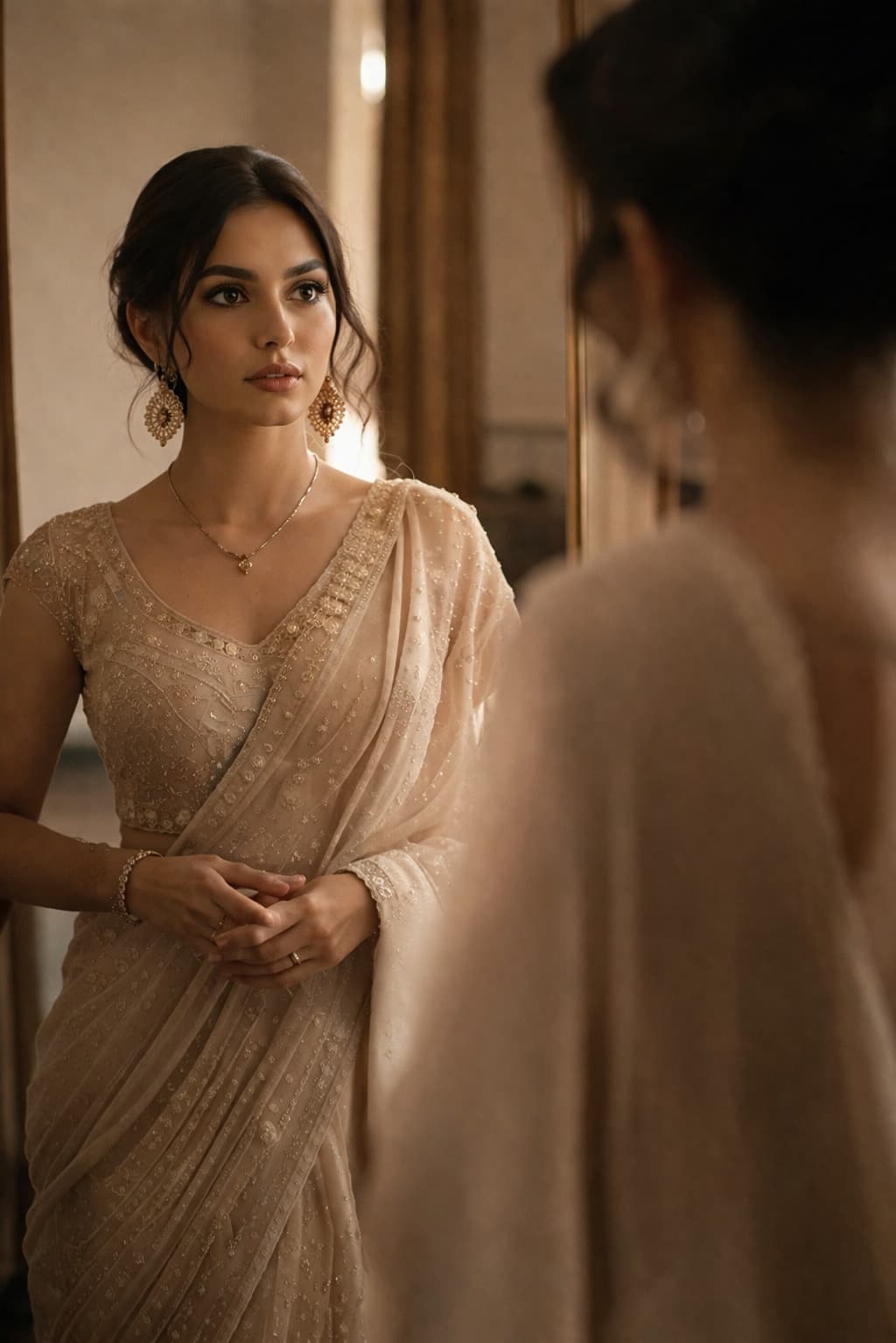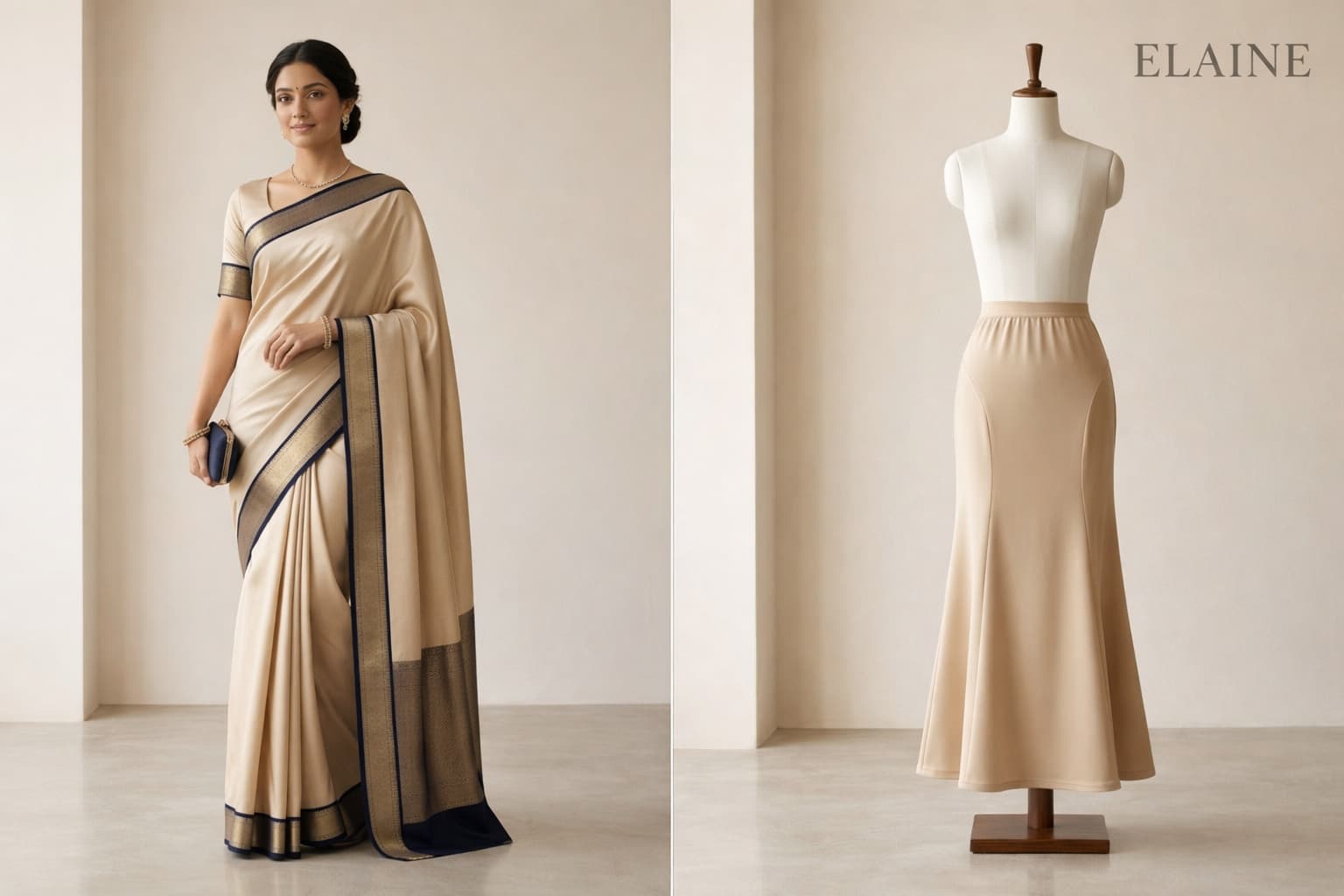
Most shapewear discomfort isn't your fault. It's not about willpower, body type, or whether you can tolerate compression. The problem is usually one of three things — and all of them are fixable.
If you've ever left an event early because your shapewear was unbearable, or looked at photos later and realized the discomfort showed, these are the mistakes worth knowing about.
Mistake 1: Buying the Wrong Size Because Sizing Isn't Standardized
This is the most common mistake, and it's not your fault. Shapewear sizing varies wildly across brands. A size M in one brand is a size L in another. Some brands size by weight, some by measurements, some by clothing size — and none of them align.
What happens when the size is wrong:
Too small, and it digs in. The waistband rolls. The fabric bunches. You spend the entire day adjusting, and the discomfort is visible in how you move.
Too large, and it doesn't hold. The fabric shifts. The compression is uneven. You get none of the support you were hoping for.
What's true:
Shapewear that fits correctly doesn't hurt. If it's digging in or rolling down within the first hour, the size is wrong — not your body.
What this means for you: Ignore the size label. Go by measurements, not the number on the tag. Measure your waist, hips, and the widest part of your thighs. Compare those numbers to the brand's size chart — not to your usual clothing size. If you're between sizes, go up. Shapewear that's slightly looser is far more comfortable than shapewear that's too tight, and the difference in compression is minimal. And if a brand doesn't provide a detailed size chart with actual measurements, that's a red flag. Move on.
Mistake 2: Wearing the Wrong Style Under the Wrong Outfit
Not all shapewear is built for all garments. A mid-waist shaper designed for western wear won't work under a saree. A full-body suit designed for a fitted dress will bunch under a lehenga. The garment dictates the style — not the other way around.
What happens when the style is wrong:
The shapewear shows through the fabric. It creates lines where there shouldn't be any. It shifts when you move because it wasn't designed for that kind of drape or movement.
Or worse — it compresses in the wrong places, flattening areas that need to breathe and adding bulk where the garment needs to flow.
What's true:
Different fabrics behave differently. A Kanchipuram silk saree that weighs two kilos needs high-compression, high-waist shapewear that can anchor the pleats and hold structure. A Georgette saree that drapes lightly needs seamless, invisible coverage that doesn't add bulk.
A lehenga with a fitted blouse and a heavy skirt needs shapewear that supports the waist without riding up under the blouse. A salwar kameez with a straight-cut kurta needs mid-waist coverage that stays invisible under the fabric.
The garment comes first. The shapewear follows.
What this means for you: Before you buy shapewear, ask: what am I wearing it under? If it's a saree, you need high-waist. If it's western wear, mid-waist works. If it's a lehenga, you need something that won't shift when you sit, stand, or move between the two for eight hours. And if the shapewear you're looking at doesn't specify which garments it's designed for, that's another red flag. Shapewear built for Indian wardrobes should map to Indian garments — not generic categories.
Mistake 3: Choosing Fabric That Doesn't Work for the Climate or Occasion
Shapewear fabric isn't one-size-fits-all. Some fabrics are designed for short-duration wear in air-conditioned spaces. Some are built for all-day comfort in heat. Some prioritize invisibility. Some prioritize structure.
If the fabric isn't matched to the occasion and the climate, you'll feel it within the first hour.
What happens when the fabric is wrong:
You overheat. The fabric doesn't breathe. You're sticky, uncomfortable, and distracted. Or the fabric is too thin — it doesn't hold, it shifts, and you spend the day adjusting.
What's true:
Seamless fabric is invisible under lightweight fabrics like chiffon and Georgette, but it doesn't provide the structure needed for heavy silk sarees. Silk-blend fabric offers high compression and breathability, making it ideal for formal occasions and long events, but it's overkill for everyday wear. Cotton-blend fabric is softer, more breathable, and better suited for extended wear in heat — but it won't give you the same level of hold as silk-blend.
The fabric determines how the shapewear performs. And the occasion determines which fabric you need.
What this means for you: Match the fabric to the event. If it's an all-day wedding in the heat, breathability matters more than maximum compression. If it's a formal evening event with heavy silk, structure matters more than softness. And if you're buying shapewear that doesn't specify the fabric blend or how it behaves under different conditions, you're guessing. Don't guess.
The Right Shapewear Doesn't Make You Think About It
Here's the standard: if you're still thinking about your shapewear three hours into an event, something is wrong.
The right size, the right style, and the right fabric mean you forget it's there. The saree drapes the way it should. The lehenga sits the way it's meant to. You're not adjusting, shifting, or counting the hours until you can take it off.
That's not a luxury. That's the baseline. And it's what shapewear should have been delivering all along.
Explore more: Fabric Spotlight — match the right fabric to your occasion. Or see how Elaine is built differently in the Collection.