The question most brides ask is: which shapewear will make me look my best?
The question they should be asking is: which shapewear will I still be able to wear at 11pm?
An Indian wedding is not a two-hour event. It is a 10–14 hour day that begins with getting dressed in the morning and ends long after the last relative has left. The shapewear a bride wears must survive that entire journey — the ceremony, the photographs, the lunch, the sitting, the standing, the dancing, the travel between venues, and everything in between.
Most shapewear isn't built for this. Elaine is.
What Makes Bridal Shapewear Different
Bridal wear in India presents specific requirements that everyday shapewear simply isn't designed to meet.
The weight. A Kanchipuram silk saree or a heavy bridal lehenga weighs significantly more than Western bridal wear. The base layer underneath must anchor this weight without shifting. Lightweight shapewear designed for fitted Western garments moves and bunches under a heavy Indian drape.
The duration. 10–14 hours is not an exaggeration. The shapewear a bride puts on at 7am must still be in place at 10pm. This rules out anything with a waistband that rolls, fabric that loses compression over hours, or construction that digs in as the day progresses.
The climate. Indian weddings happen in warm environments — mandaps, banquet halls, outdoor spaces in April or May. A fabric that doesn't breathe becomes unbearable within two hours. Breathability is not a bonus feature for bridal shapewear. It is a requirement.
The movement. A bride sits through long ceremonies, stands for hours of photographs, and often dances at the reception. The shapewear must allow all of this without riding up, rolling down, or requiring adjustment.
The garment. A saree drapes differently than a lehenga. A lehenga sits differently than a sharara. Each garment requires shapewear positioned and constructed specifically for how that garment sits on the body.
The Honest Answer About Transformation
Many shapewear brands promise that their product will make you look smaller, slimmer, or transformed for your wedding day.
We won't make that promise — and here's why.
A bride who spends her wedding day pulling at uncomfortable shapewear, conscious of how it's sitting, adjusting constantly — that is a bride who is not present for her own wedding. The photographs capture what you feel as much as what you look like. And what you feel is written on your face.
The right shapewear doesn't transform you. It disappears. It holds what needs holding, stays where it needs to stay, and lets you stop thinking about it completely. That is what lets you be present for the moments that matter.
That is a better wedding photograph than any amount of compression.
What Bridal Shapewear Actually Needs to Do
Hold the drape. For saree brides, this means anchoring the pleats through hours of movement. For lehenga brides, this means providing a smooth, stable base that keeps the skirt sitting correctly at the waist.
Stay put. The waistband must not roll down. Not once. Not at hour two, not at hour eight, not when you sit down for lunch or stand for a two-hour photograph session.
Breathe. Throughout the day. Not just for the first hour.
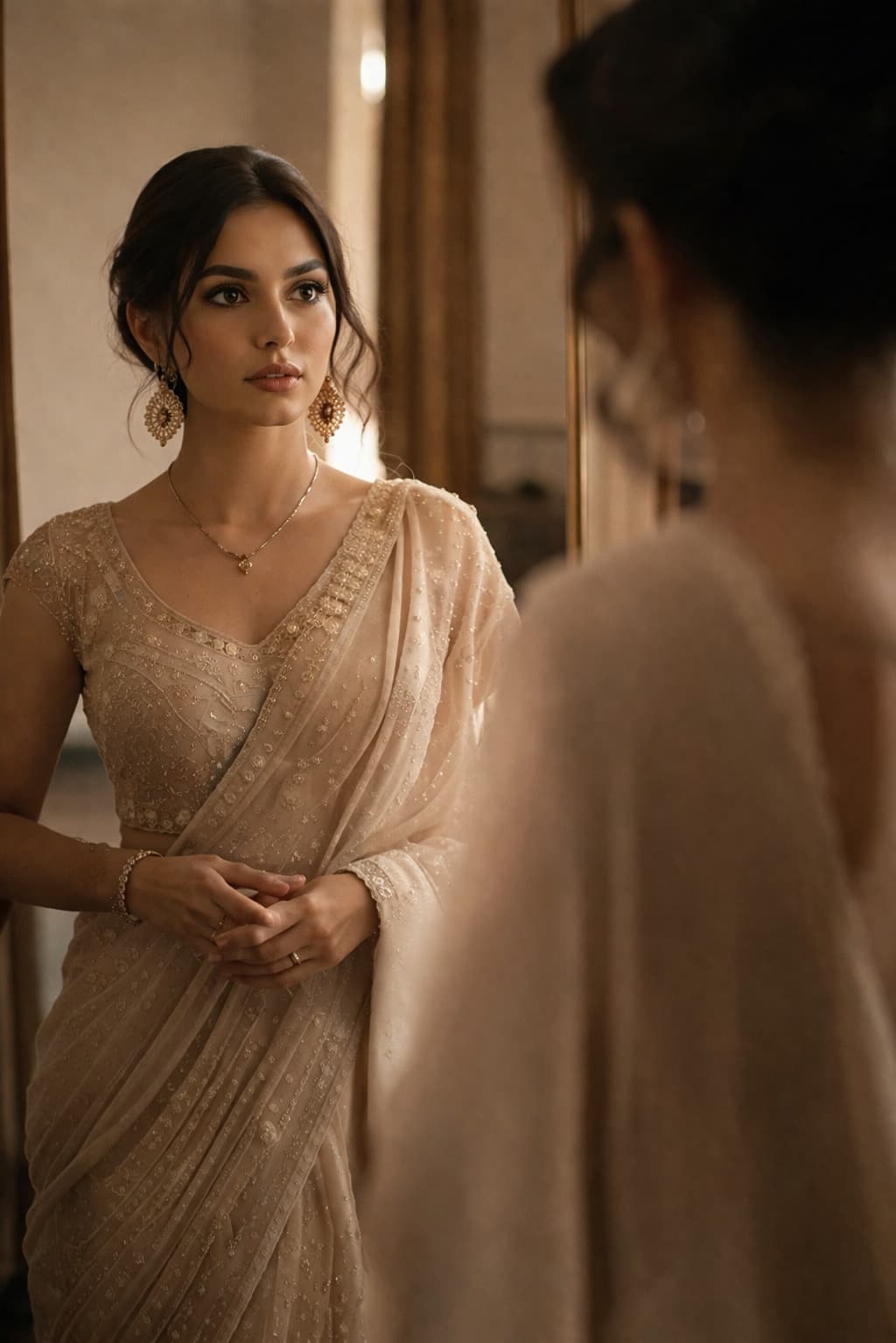
Disappear under the garment. For silk sarees, this means no visible seam lines. For net or sheer fabrics, this means seamless construction in a skin tone that matches.
The Five Requirements for Bridal Shapewear in India
- Holds the drape through 10 to 14 hours. A Kanchipuram or Banarasi saree, or a heavily embroidered bridal lehenga, places significant downward load on the waistband. The shapewear must anchor this weight from the ceremony through the reception without shifting.
- Non-rolling waistband — without exception. A waistband that rolls once during the ceremony is a waistband that will roll again during the photographs, the lunch, and the reception. Reinforced wide waistband construction is non-negotiable for bridal wear.
- Breathable fabric for the full day. An Indian wedding is not held in a climate-controlled environment at comfortable temperature throughout. Mandaps, outdoor photographs, and banquet halls at varying temperatures require fabric that manages heat and moisture from morning to midnight.
- Seamless construction under fine fabrics. Silk sarees and sheer bridal lehengas reveal every seam edge, raised surface, and texture transition underneath them. Only seamless or laser-cut construction is invisible.
- Allow every movement the day demands. Sitting cross-legged for ceremonies. Bending for rituals. Standing for extended photograph sessions. Dancing at the reception. The shapewear cannot restrict any of these.
Allow movement. Sitting cross-legged for ceremonies. Bending for rituals. Dancing at the reception. The shapewear cannot restrict any of this.
Shapewear by Bridal Garment
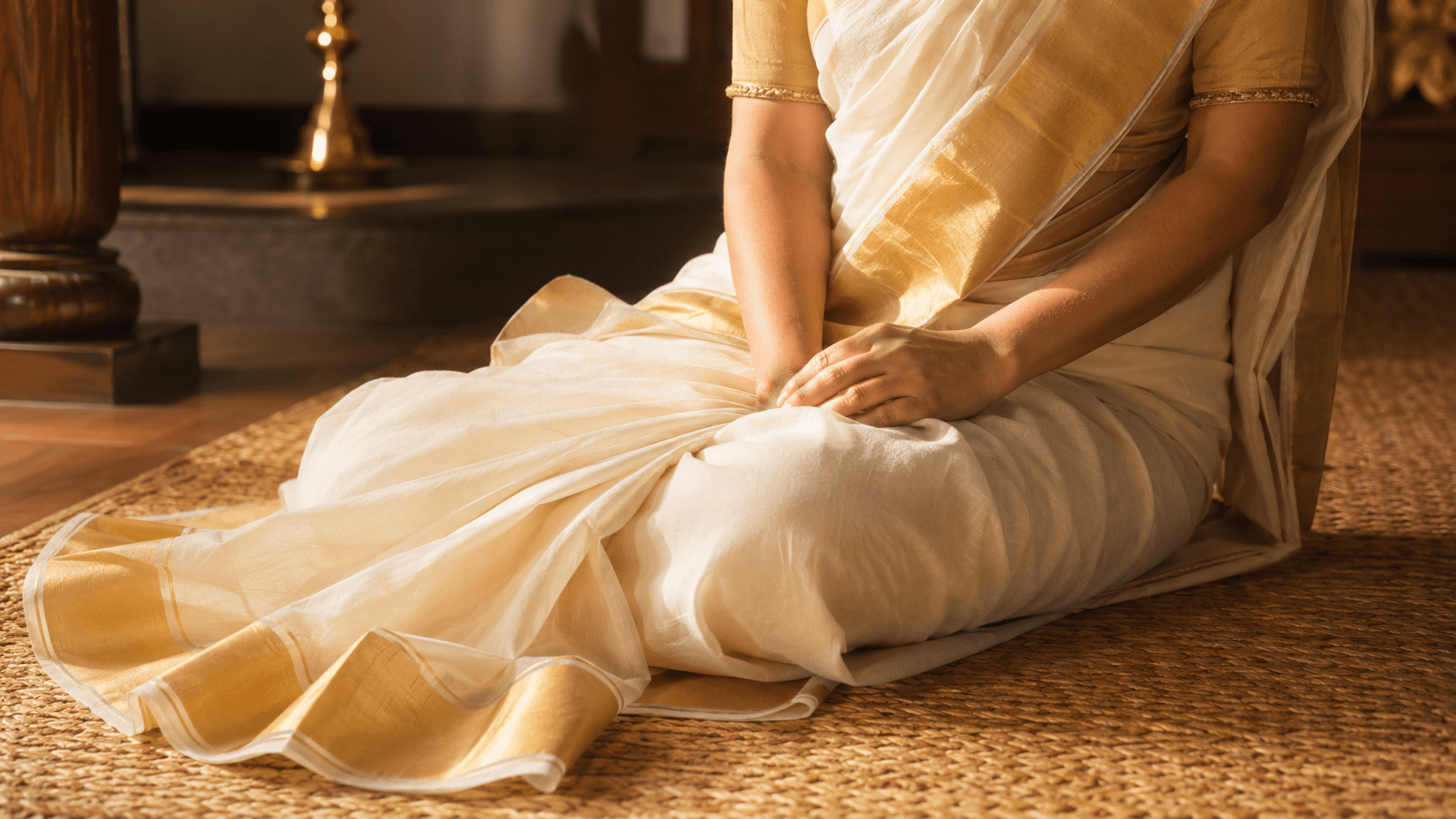
For silk saree brides — Kanchipuram, Banarasi, Kasavu
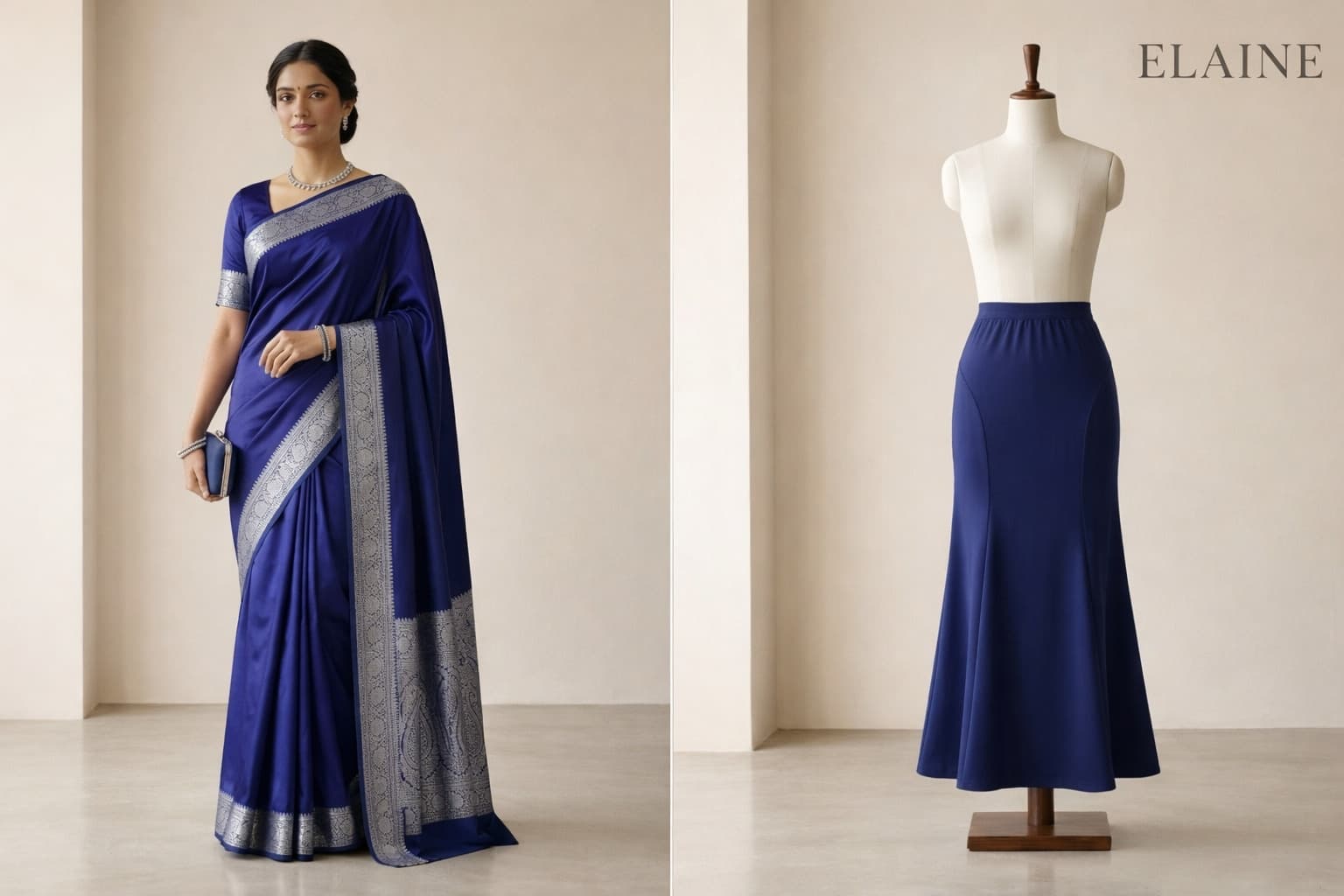
High-compression silk-blend shapewear at high waist. The silk blend handles the weight of heavy ceremonial fabric, anchors the pleats, and breathes through extended wear. The waist must sit at petticoat height — the same level the saree tucks in — so the drape lies flat without visible transitions.
Avoid: synthetic-only fabrics that don't breathe, low-rise styles that interfere with the petticoat, anything with visible seam edges that will show through fine silk.
For lehenga brides
High-waist shapewear that creates a clean, smooth surface at the waistband of the lehenga skirt. The skirt sits over the shapewear; the shapewear must lie completely flat at the waist without creating bulk under the lehenga waistband.
Seamless construction is important here — the lehenga skirt often sits close to the body and any texture or seam will be visible.
For heavily embroidered lehengas: the embroidery itself creates visual interest. The shapewear simply needs to hold the silhouette steady underneath.
For sharara and gharara brides
The silhouette requirement is different — the flare begins at the knee or hip rather than the waist. High-waist seamless shapewear that creates a clean line from waist to hip, without adding bulk in the upper leg area where the garment flares.
The Timing Question
When should a bride try on her shapewear?
Not the week of the wedding.
The ideal time is during the final saree or lehenga trial — 4 to 6 weeks before the wedding. Wear the shapewear for the full length of the trial session. Move in it. Sit in it. Stand for an extended period. If it rolls, digs, shifts, or becomes uncomfortable within two hours — it will not survive the wedding day.
A bride who discovers her shapewear doesn't work on her wedding morning has no good options. A bride who discovers it four weeks earlier can find something that does.
For how to measure and choose the right size before your trial, see our sizing guide.
Frequently Asked Questions
Which shapewear is best for an Indian bride?
High-waist shapewear with breathable fabric construction and a firm, non-rolling waistband. The specific fabric depends on the garment — silk blend for heavy ceremonial sarees, seamless for lehengas and lighter fabrics. The priority is comfort across 10–14 hours, not maximum compression.
Should I wear shapewear under my bridal lehenga?
Yes, if it helps you feel supported and comfortable. The right shapewear creates a smooth base under the lehenga waistband and holds the silhouette steady through extended wear. Avoid anything with visible seam edges that will show through the fabric.
Can shapewear be worn for 10–12 hours at a wedding?
Only if it's designed for extended wear. Most everyday shapewear isn't. Look for breathable fabric, a waistband that holds without digging, and compression that doesn't increase in discomfort over hours. Try it for at least 2–3 hours during a trial before the wedding day.
What should brides avoid in shapewear?
Avoid synthetic-only fabrics that don't breathe, waistbands that are too tight at the natural waist, low-rise styles that interfere with saree pleats, and anything with visible seam edges under fine or sheer bridal fabrics.
When should I buy bridal shapewear?
At least 4–6 weeks before the wedding, during your final garment trial. Wear it for the full trial session to test comfort and fit under the actual garment you'll be wearing on your wedding day.
Is shapewear necessary for a bride?
No — it depends entirely on whether it makes you feel more comfortable and supported. If the right shapewear means you stop thinking about what you're wearing and start being present for your wedding, it's worth it. If it adds another layer of discomfort to an already demanding day, it isn't.
Read next: Can You Wear Shapewear Under a Saree? · Shapewear for Indian Wedding Guests · Which Shapewear is Best for a Saree? · Why Shapewear Rolls Down · How to Choose Your Saree Shapewear Size