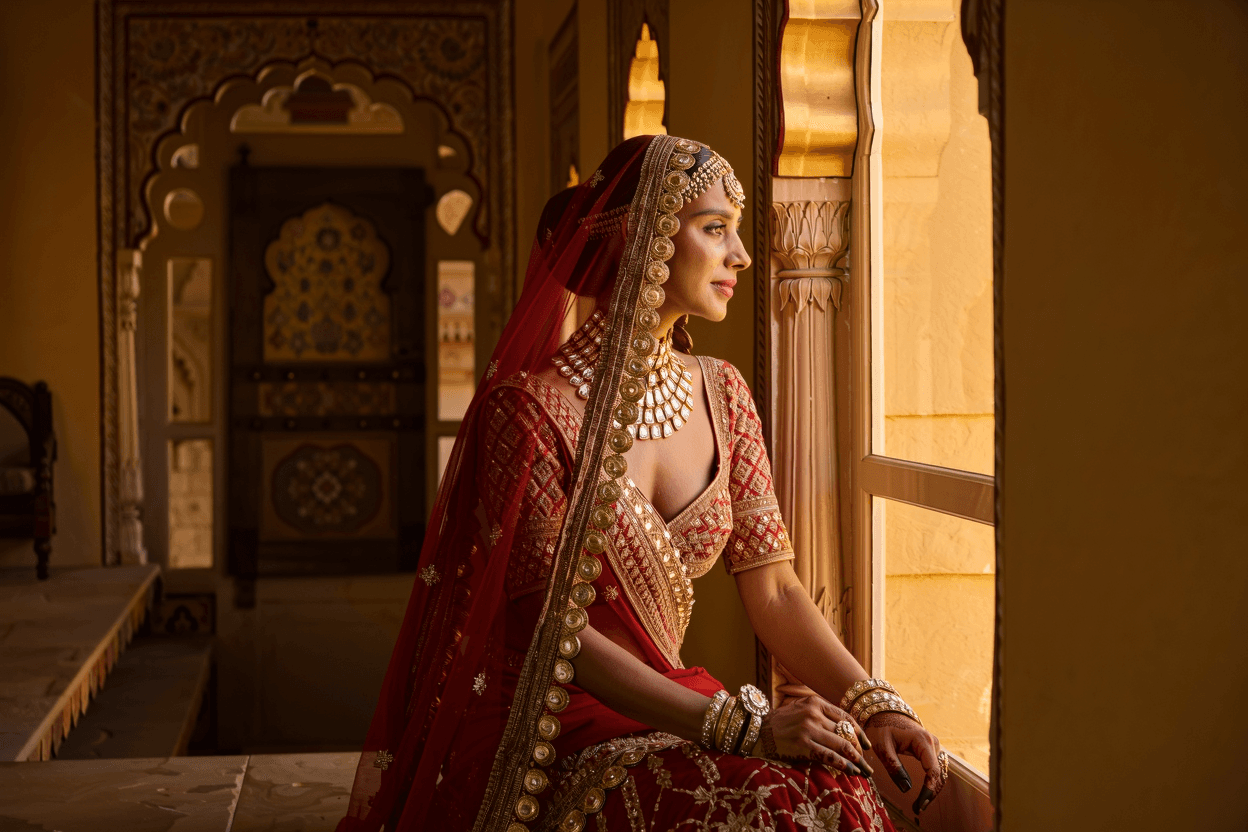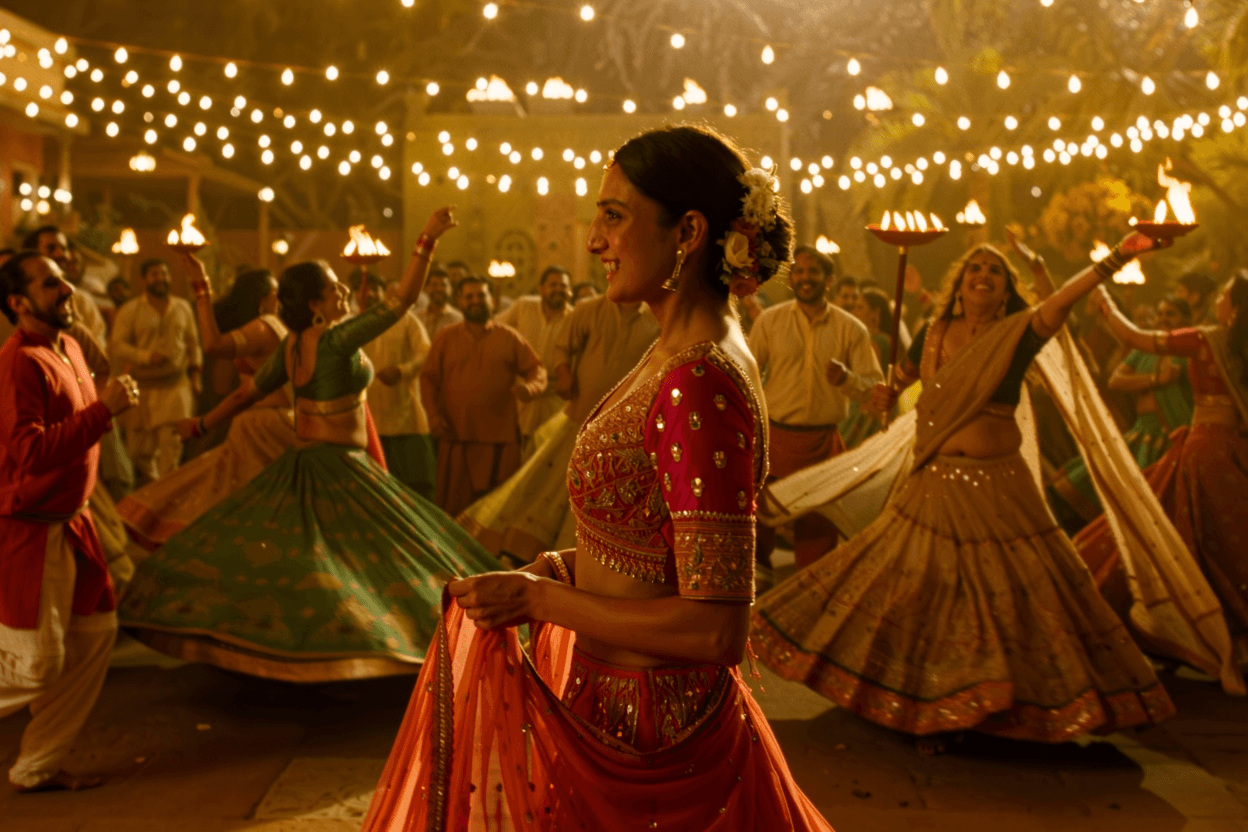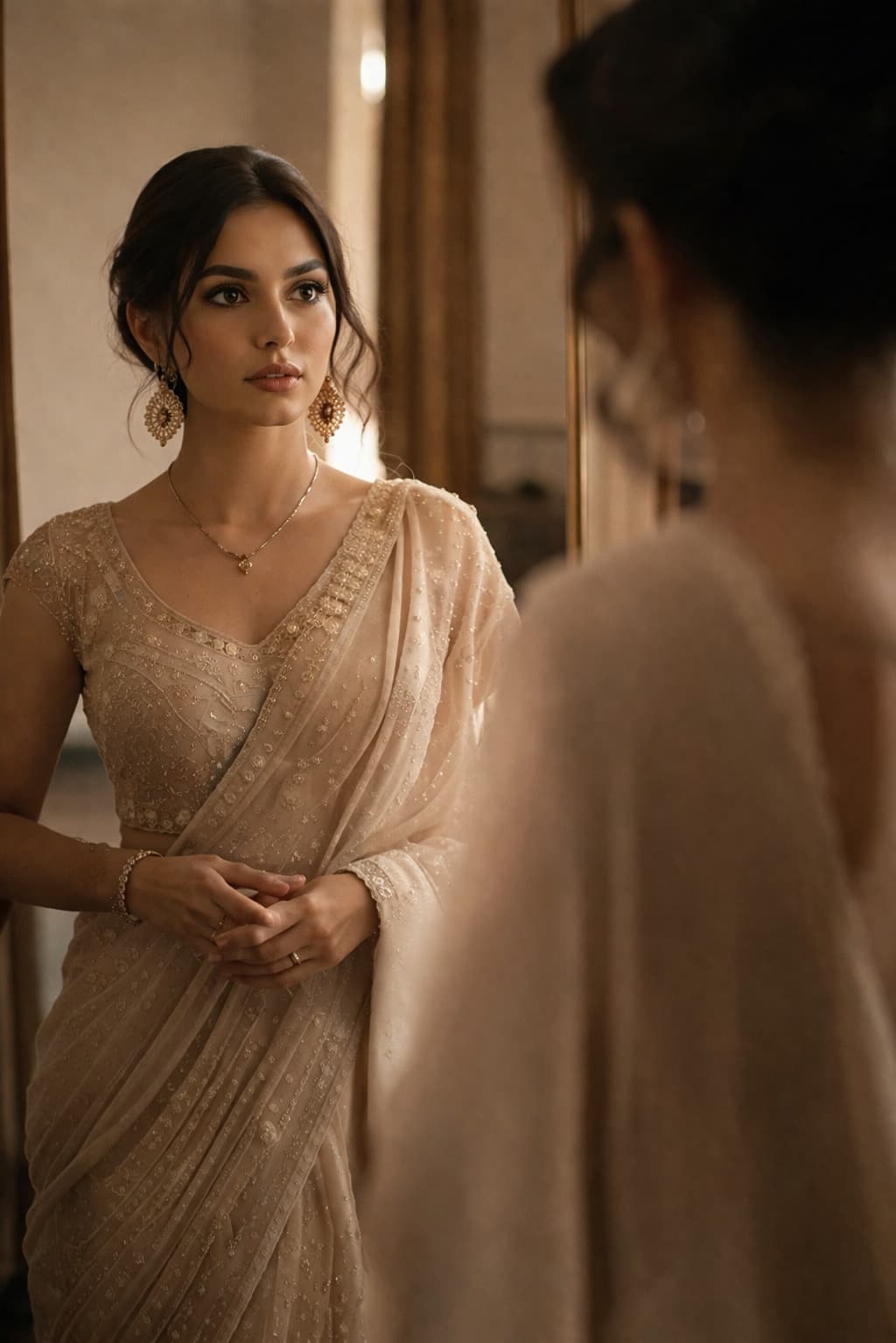
An Indian wedding is not a 2-hour event.
It starts with the haldi at 10 AM, moves to the ceremony at noon, breaks for lunch, resumes for the reception, and ends somewhere after midnight. You will sit, stand, walk, eat, dance, take photographs, and do all of it in a saree or lehenga you've been wearing for twelve hours.
Most shapewear is not designed for this.
Here's what actually works — and why the wrong choice makes the day far harder than it needs to be.
The Wedding Guest Problem
You are not the bride. You don't have a bridal suite to retreat to. You can't slip away to adjust without missing something. You are there to be present — for the ceremony, the family, the moments.
The shapewear you choose needs to work without maintenance. It needs to hold through the ceremony and still be comfortable during the reception. It needs to stay in place when you dance, not roll down when you sit, and not dig in when you've been standing for two hours at the mandap.
Most shapewear fails one or more of these tests within the first three hours.
What Determines Performance at a Wedding
Duration: 8–12 Hours
This is the single most important factor. Shapewear that feels fine for the first two hours often becomes painful by hour four. The waistband digs in, the fabric loses its elasticity, or the compression becomes uncomfortable during extended sitting.
For wedding duration, the waistband construction matters more than anything else. A reinforced, non-rolling waistband that distributes pressure evenly is the difference between wearing something comfortably all day and counting down to when you can take it off.
Temperature: Variable
An Indian wedding typically involves multiple venue changes — an outdoor mandap in the morning heat, an air-conditioned reception hall in the evening. Shapewear needs to perform in both environments.
Heavy synthetic fabrics that don't breathe become unbearable in outdoor heat. Silk-blend fabric achieves the right balance — breathable enough for outdoor moments, structured enough for air-conditioned hours.
Movement: High and Varied
Wedding guests move constantly. Standing for the ceremony. Sitting for the reception. Bending to touch elders' feet. Dancing at the sangeet. Walking between venues. Each movement puts different demands on the shapewear.
The right tension holds firmly without restricting — you feel supported, not constrained.
Shapewear by Wedding Occasion
The Ceremony (Typically Outdoor, Morning to Afternoon)
This is the longest continuous standing period. You'll be on your feet for the full ceremony — which can run anywhere from one to four hours depending on the rituals.
Priority: Hold and breathability. What works: High-waist silk-blend with reinforced waistband. Avoid heavy synthetic compression in outdoor heat.
The Lunch / Reception (Seated, Transitional)
Extended sitting after hours of standing. This is when poorly fitting shapewear makes itself known — the waistband digs in when seated, or the compression becomes uncomfortable after eating.
Priority: Flexibility and comfort during sitting. What works: Shapewear with a flexible (not rigid) waistband. Avoid styles with very high compression around the waist.
The Evening Reception (Active, Air-Conditioned)
The most social part of the wedding — dancing, photographs, conversation. The shapewear needs to move with you.
Priority: Movement and hold together. What works: Mid-to-high compression with flexible fabric. Seamless styles work well for lightweight sarees.
Shapewear by Saree Type for Weddings
Banarasi Silk (Most Common Wedding Saree)
Heavy, formal, requires structured support to maintain the drape through a full day. Recommended: High-compression silk-blend, high-waist, reinforced waistband.
Georgette or Chiffon (Reception / Evening)
Lightweight, often worn for evening events. Requires invisible coverage. Recommended: Seamless fabric, no raised seams, skin-tone match.
Tissue Silk (Formal Evening)
The most transparent fabric commonly worn at weddings. Recommended: Ultra-thin seamless shapewear with no texture. Skin-tone fabrics only.
Lehenga (Increasingly Common for Wedding Guests)
A lehenga blouse is fitted and the skirt is heavily pleated. Shapewear for a lehenga focuses on the waist and stomach. Recommended: High-waist, mid-compression style that sits cleanly under the blouse without creating visible bulk.
The Things Nobody Tells You
Bring a safety pin. Even the best shapewear can need a small adjustment mid-day. A safety pin in your clutch has saved more wedding outfits than any product.
Wear it in before the wedding. Don't wear new shapewear for the first time at a wedding. Wear it for 4–5 hours on a regular day first. You'll find out about any fit issues before they become a problem at someone else's wedding.
Hydrate anyway. Some women avoid drinking water at events because of bathroom logistics with a saree. Dehydration makes compression wear more uncomfortable. Drink water. The logistics are manageable.
The right base changes everything. The most common feedback from women who've found shapewear that fits correctly is that they stop thinking about it. That's the goal — not to feel perfect, but to stop feeling the shapewear at all.
Read next: Which Shapewear is Best for a Saree? · How to Choose Your Saree Shapewear Size · Collection — Launching Soon